Manila, Philippines
- 1,600,000 people
- 18 places to visit
- 14.5995, 120.9842
Places to Visit (18)
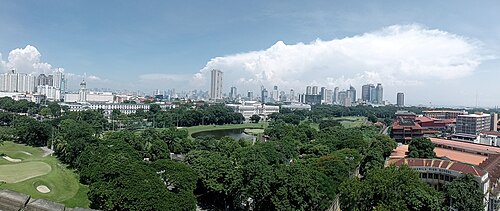
Manila, the capital city of the Philippines, is a vibrant metropolis known for its rich history, diverse culture, and significant economic influence in Southeast Asia. Located on the eastern shores of Manila Bay, it covers an area of approximately 42.88 square kilometers and is home to over 1.8 million residents. Manila is part of the larger National Capital Region, or Metro Manila, which has a population exceeding 13 million people and serves as the political, economic, social, and cultural hub of the country. Established by the Spanish in 1571, it features a unique blend of colonial architecture and modern skyscrapers, reflecting its colonial past and rapid urban development.
The city is characterized by its historical landmarks, such as Intramuros, the old walled city that houses the San Agustin Church, a UNESCO World Heritage Site, and the iconic Fort Santiago. Other prominent sites include Rizal Park, which honors national hero José Rizal, and the National Museum complex, showcasing Filipino art, culture, and history. Manila's economic landscape is diverse, with key industries including commerce, finance, tourism, and manufacturing. The Port of Manila is one of the busiest in the country, supporting trade and logistics. Despite its vibrant atmosphere, the city faces challenges such as traffic congestion, air quality issues, and socio-economic disparities, which require ongoing urban planning and development efforts.
Culturally, Manila is a melting pot, influenced by various traditions and customs due to its historical ties with several nations, including Spain, the United States, and China. This diversity is reflected in its culinary offerings, festivals, and arts scene, making it an attractive destination for both tourists and locals. Festivals such as the Feast of the Black Nazarene and the Manila International Book Fair highlight the city's lively spirit. Overall, Manila stands as an essential gateway to understanding the Philippines' history, culture, and contemporary issues, symbolizing the dynamic nature of the nation as it continues to evolve in the global landscape.
Facts about Manila
- Manila is the capital city of the Philippines and serves as the political, economic, and cultural center of the country.
- The city is home to Intramuros, a historic walled area established by the Spanish in the late 16th century, which showcases colonial architecture and history.
- Manila houses the Philippines' national museum complex, which includes the National Museum of Fine Arts, the National Museum of Anthropology, and the National Museum of Natural History.
- The historic Rizal Park (Luneta Park) in Manila commemorates the life of Dr. Jose Rizal, the national hero of the Philippines, and is a popular gathering place for locals and tourists.
- Manila is known for its unique blend of different cultures, evident in its cuisine, festivals, and lifestyle, stemming from a rich history of colonization and trade.
- The city has the world's oldest Chinatown, known as Binondo, established in 1594, making it a significant economic and cultural hub for the Filipino-Chinese community.
- Manila Bay is famous for its stunning sunsets and is an iconic location for recreational activities and sightseeing in the city.
- The University of the East and the University of Santo Tomas, both located in Manila, are among the oldest and most prestigious educational institutions in the country.
- Manila is one of the world's densest cities, with a population of over 1.7 million people in an area of just 38.55 square kilometers.
- The city regularly hosts significant international events, including the Asia-Pacific Economic Cooperation (APEC) meetings and various sporting competitions.