Manresa, Spain
- 76,250 people
- 14 places to visit
- 41.7211, 1.8164
Places to Visit (14)
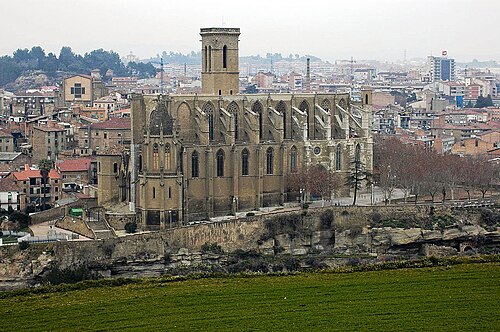
Manresa is a picturesque city located in Catalonia, Spain, and serves as the capital of the Bages region. Nestled in the Cardener River valley, approximately 65 kilometers northwest of Barcelona, Manresa has a rich history that dates back to prehistoric times. The city was initially a Roman settlement known as "Mansio," which served as a rest stop for travelers along the important trade routes of the era. Over the centuries, Manresa flourished, benefiting from its strategic location and became a key agricultural and industrial center, particularly renowned for its textile and leather production during the 19th century.
The architectural landscape of Manresa reflects its historical significance and diverse influences. One of the most famous landmarks is the Basilica de Santa Maria de la Seu, a stunning Gothic church built in the 14th century featuring remarkable stained-glass windows and a distinctive rose window. The city is also home to the 18th-century Convent of Sant Ignasi, where Saint Ignatius of Loyola, the founder of the Jesuit Order, experienced his spiritual awakening, leading to the establishment of the Society of Jesus. Manresa retains an air of medieval charm, with narrow cobblestone streets and vibrant squares that invite exploration, while modern amenities and a lively cultural scene contribute to its appeal as a contemporary urban center.
In addition to its historical and architectural treasures, Manresa is known for its beautiful natural surroundings, offering picturesque views of the surrounding mountains and valleys. It is an ideal base for outdoor activities such as hiking and biking in the nearby Montserrat mountain range. The city also hosts various cultural events throughout the year, including music festivals, artisan markets, and traditional Catalan celebrations, reflecting the region's rich cultural heritage. With its blend of history, architecture, and natural beauty, Manresa is a captivating destination for visitors seeking to experience the essence of Catalonia.
Facts about Manresa
- Manresa is the birthplace of the influential Catholic religious leader Ignatius of Loyola, who founded the Jesuit order.
- The city is home to the Basilica de Santa Maria de la Seu, a stunning example of Catalan Gothic architecture with remarkable historical significance.
- Manresa was historically a key location in the Catalan independence movement, acting as a meeting point for various political and cultural events.
- The Cardener River runs through Manresa, which historically provided the city with economic benefits through water mills and trade routes.
- The Manresa Caves (Coves de Sant Ignasi) hold religious significance tied to the life of Ignatius of Loyola, where he spent a period of spiritual retreat.
- The city hosts the annual Fira de l'Ascensió, a traditional fair that dates back to the Middle Ages, celebrating local crafts and culinary specialties.
- Manresa has a rich industrial history, known for its textile production during the 19th century, which contributed significantly to its economic growth.
- The historic bridge, known as the 'Pont Vell', dates back to the 14th century and is an important architectural landmark, showcasing medieval engineering.
- Manresa is part of the Catalan wine region of Pla de Bages, known for its unique wine production, particularly focusing on ecological practices.
- The local cuisine features a mix of traditional Catalan dishes, with a particular emphasis on local ingredients and seasonal flavors, setting it apart from other regions.