Maó, Spain
- 29,125 people
- 7 places to visit
- 39.9148, 4.2231
Places to Visit (7)
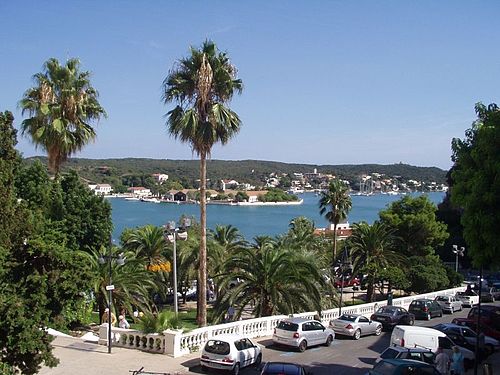
Maó, also known as Mahón, is the capital city of the Spanish island of Menorca, one of the Balearic Islands in the Mediterranean Sea. Situated on the island's eastern coast, Maó boasts a rich history dating back to antiquity, having been settled as far back as the Talayotic period. Its location along a natural harbor, one of the largest in the world, has historically made it an important naval and trading port. The city’s architecture reflects various influences, particularly from the British, who held the island for a significant portion of the 18th century and left a lasting impact on its urban design and culture. The streets of Maó are characterized by their narrow alleys lined with traditional whitewashed buildings, vibrant bougainvillea, and a mixture of Gothic and Neoclassical styles.
Maó is well-known for its cultural offerings, including historical sites, museums, and vibrant markets. The City Hall, located in the central Plaça de s'Esplanada, is a notable architectural landmark, while the Church of Santa Maria houses one of the largest organs in Europe. The Museo de Menorca provides insights into the island's prehistoric past and diverse cultural heritage. Additionally, the bustling Mercat del Claustre is a must-visit for those looking to sample local delicacies, such as the famous Mahón cheese and seafood. The city is also a gateway to the stunning landscapes of Menorca, recognized as a UNESCO Biosphere Reserve in 1993 for its ecological significance and biodiversity. With its combination of historical charm, culinary delights, and natural beauty, Maó represents a compelling destination for visitors seeking to experience the unique culture of Menorca.
Facts about Maó
- Maó, also known as Mahón, is the capital city of Menorca, one of the Balearic Islands, and is famous for its natural harbor, which is one of the largest in the world.
- The city is known for its unique blend of British and Spanish cultural influences, particularly evident in its architecture and local cuisine, including the famous Mahón cheese.
- Maó boasts the 'Iglesia del Carmen,' a prominent church featuring a striking baroque facade and a revered statue of the Virgin of Carmen, highlighting the town's religious heritage.
- The city has a rich history of British rule from the 18th century, which has left a lasting impact on local customs, including the 24-hour clock system still used in some places.
- Maó is famous for its gin production, particularly 'Xoriguer' gin, which reflects the island's long-standing maritime history and trade connections.
- The 'Fortaleza de la Mola,' built in the 19th century, is a notable military fortress located on the entrance of the harbor, showcasing the city's historical significance in naval defense.
- As a center for naval commerce, Maó has a bustling port that serves as a key destination for ferries and cruise ships, making it an important transport hub in the Mediterranean.
- Maó's layout includes narrow, winding streets that are characteristic of its old town, where vibrant local markets and traditional artisan shops can be found.
- The city hosts various festivals, including the 'Festa des Vermar,' celebrating the grape harvest and traditional wine production, intricately linked to Menorcan culture.
- Maó is home to several archaeological sites and museums that offer insights into the ancient Talayotic culture that flourished on Menorca thousands of years ago.