Maputo, Mozambique
- 1,254,837 people
- 18 places to visit
- -25.9692, 32.5732
Places to Visit (18)
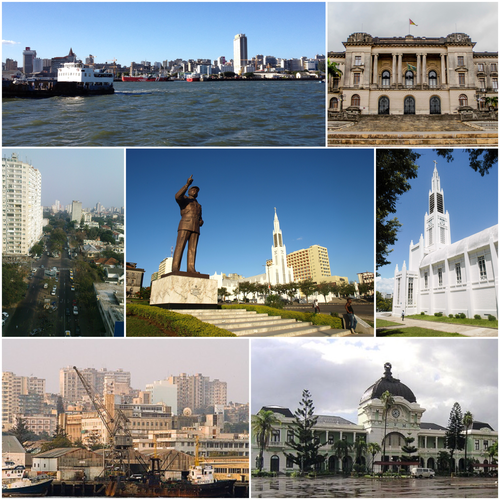
Maputo, the capital city of Mozambique, is located in the southern part of the country along the Indian Ocean. Known for its vibrant culture and historic significance, Maputo is the largest city in Mozambique and serves as its political, economic, and cultural hub. With a population of approximately 1.1 million people, it is a melting pot of various ethnic groups, reflecting the nation’s rich historical and cultural tapestry. The city's architecture is an eclectic mix of colonial Portuguese structures, modern buildings, and street markets, each contributing to its unique urban landscape. Landmarks such as the iconic Maputo Central Railway Station, noted for its stunning design, and the Nossa Senhora da Conceição Cathedral represent its colonial heritage.
The economy of Maputo is primarily driven by services, trade, and tourism, with notable exports including aluminum, cashews, and cotton. The city's port, one of the busiest in the region, significantly contributes to its economic activities by facilitating trade not just within Mozambique but also with neighboring countries like South Africa and Swaziland. In recent years, Maputo has seen substantial investment in infrastructure and urban development, aiming to modernize its transport, housing, and public services in response to rapid population growth and urbanization. Cultural events and festivals are an integral part of city life, showcasing local music, dance, and cuisine, while culinary experiences range from traditional Mozambican dishes to influences from Portuguese cuisine, enhancing Maputo’s status as a city rich in cultural diversity.
Maputo also serves as a gateway to explore the natural beauty and biodiversity of Mozambique. The city’s proximity to stunning beaches, such as Ponta do Ouro and Inhaca Island, along with the nearby Gorongosa National Park, attracts both local and international tourists. Efforts to promote sustainable tourism are underway, highlighting the importance of preserving the environment while boosting the local economy. Overall, Maputo represents a crucial intersection of history, culture, and economic potential within Mozambique, reflecting both the challenges and opportunities that come with being a growing urban center in Africa.
Facts about Maputo
- Maputo is the capital city of Mozambique and serves as the political, economic, and cultural hub of the country.
- The city was known as Lourenço Marques during the colonial period, named after a Portuguese trader who established a trading post there in the 16th century.
- Maputo is recognized for its unique architecture, which includes a mix of colonial-era buildings, modern constructions, and vibrant art deco styles, setting it apart from other cities in Mozambique.
- The bustling central market, Mercado Municipal de Maputo, is famous for its wide array of local produce, seafood, and handicrafts, attracting both locals and tourists.
- Maputo boasts several notable landmarks, including the iconic Maputo Railway Station, celebrated for its stunning architecture designed by Gustave Eiffel.
- The city is home to the beautiful Praça da Independência, a central square that commemorates Mozambique's independence from Portuguese rule in 1975.
- Maputo has a vibrant cultural scene with numerous galleries, music venues, and theaters that host events showcasing local art and performers.
- The city features the Maputo Special Reserve, one of Mozambique's earliest nature reserves, known for its wildlife and scenic landscapes, located just outside the city.
- Maputo is famous for its seafood cuisine, particularly dishes featuring fresh prawns and crab, which are a mainstay in local restaurants and markets.
- The annual Maputo Jazz Festival attracts international musicians and jazz enthusiasts, making it a significant event in the cultural calendar of Mozambique.