Marabá, Brazil
- 145,860 people
- 8 places to visit
- -5.3671, -49.1231
Places to Visit (8)
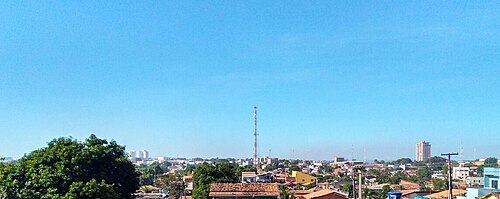
Marabá is a city located in the state of Pará, in the northern region of Brazil. Founded in the late 19th century, Marabá emerged during the rubber boom, which attracted many settlers to the Amazon basin. The city was officially established in 1926 and has since developed into an important economic hub in the region. Positioned at the confluence of the Tocantins and Itacaiúnas rivers, Marabá serves as a vital transportation and logistics center, connecting various parts of the Amazon with the broader national infrastructure. The city is approximately 450 kilometers southeast of Belém, the capital of Pará, and serves as a gateway to the Amazon rainforest.
Marabá's economy is multifaceted, with significant contributions from agriculture, mining, and forestry. The region is rich in natural resources, particularly iron ore, which supports large-scale mining operations. Furthermore, the agricultural sector thrives, producing crops such as soybeans, corn, and rice, largely benefitting from the fertile lands in the region. Despite its industrial development, Marabá retains a strong cultural connection to its indigenous and Amazonian roots. The city hosts various cultural events and festivals that celebrate its diverse heritage, including traditional dances, music, and cuisine. With a population of over 200,000 residents, Marabá is not only an economic center but also a vibrant community that reflects the complexities of life in the Amazon.
Facts about Marabá
- Marabá is known for its significant role in the expansion of the Amazon region and the development of the mineral industry, particularly iron ore extraction.
- The city is located at the confluence of the Tocantins and Itacaiúnas rivers, making it a critical transportation hub in the northern part of Brazil.
- Marabá is home to the Dom Eliseu Municipal Park, a large green area that features lakes, walking trails, and recreational facilities, distinguishing it as a nature-focused urban space.
- The city's population has grown rapidly due to migration from other parts of Brazil, especially during the economic boom in the 1970s when the region was promoted for agricultural expansion.
- Marabá hosts an annual festival called 'Festa do Peixe' (Fish Festival), celebrating the rich aquatic life in the surrounding rivers and promoting local fishing culture.
- The city has a diverse cultural scene with influences from indigenous communities, as well as Portuguese and African heritage, which is reflected in its local music, dance, and cuisine.
- Marabá is known for its educational institutions, including the Federal University of Southern and Southeastern Pará, which offers various undergraduate and graduate programs.
- The city served as a base for the Brazilian government's 'Landless Workers' Movement' (Movimento dos Trabalhadores Sem Terra - MST), advocating for agrarian reform and social justice.
- Marabá has a tropical rainforest climate, characterized by significant rainfall, which supports its lush vegetation and rich biodiversity, setting it apart from many other cities in Brazil.
- The Marabá Airport facilitates regional connectivity but also adds an important dimension to the city's infrastructure, linking it to major Brazilian cities and contributing to its economic growth.