Maracaibo, Venezuela
- 2,225,000 people
- 16 places to visit
- 10.641, -71.6074
Places to Visit (16)
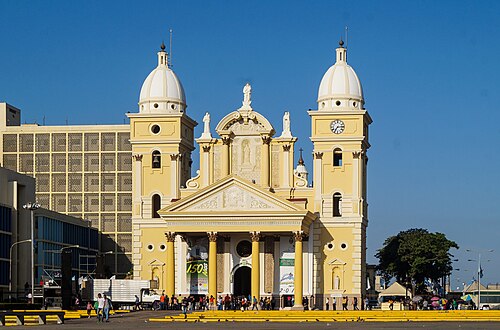
Maracaibo is the capital city of the Zulia state in Venezuela and is the second-largest city in the country. Located in the northwestern region near the northeastern shore of Lake Maracaibo, it serves as a crucial economic and cultural hub. Founded in 1529 by Spanish explorer Alonso de Ojeda, the city has a rich historical background, with its name derived from the indigenous Wayuu language, referencing the area's waterways. Maracaibo's economy has traditionally been anchored in petroleum, as the region is home to one of the world’s largest oil reserves. The lake and its surrounding areas have provided significant resources, making the city a pivotal site for the national oil industry and contributing to its economic growth over the decades.
The climate of Maracaibo is tropical, characterized by high temperatures and significant humidity, with a unique dry season that occurs from December to March. The city is known for its vibrant culture and is recognized for its musical genres, particularly gaita, which combines African, Indigenous, and European influences. Maracaibo celebrates various cultural festivals, including the Fiestas de la Virgen de La Chiquinquirá in November, which attracts visitors and showcases the area's religious and cultural heritage. The city's architecture reflects its colonial past and modern developments; among notable landmarks are the Puente sobre el Lago, a massive bridge spanning Lake Maracaibo, and the Basilica de Nuestra Señora de Chiquinquirá, a significant religious site. Despite facing challenges such as political instability and economic difficulties, Maracaibo remains a city with a diverse culture and a vital role in Venezuela's history and development.
Facts about Maracaibo
- Maracaibo is known as the 'Luz de Venezuela' (Light of Venezuela) due to its historical significance in the country's oil production.
- The city is home to the iconic Lake Maracaibo, which is the largest lake in Latin America and is known for its unique phenomenon of lightning storms, called 'Relámpago del Catatumbo'.
- Maracaibo features a distinctive dialect known as 'Zuliano' that sets its residents apart from other regions in Venezuela, incorporating various local idioms and expressions.
- The Basilica of Our Lady of Chiquinquirá, located in Maracaibo, is an important pilgrimage site and is renowned for its beautiful baroque architecture.
- Maracaibo has a rich cultural heritage and is famous for traditional music styles like Gaita, especially celebrated during the Christmas season.
- The Bridge over Lake Maracaibo, officially known as the General Rafael Urdaneta Bridge, is one of the longest bridges in Latin America, connecting the city with the east of the lake.
- Maracaibo's food culture is unique and includes regional dishes such as 'patacón' (fried green plantains) and 'frituras' (fried snacks), which are distinct from other Venezuelan cuisines.
- The city hosts the Fair of the Virgin of Chiquinquirá every December, which is one of the most important religious and cultural events in the region.
- Maracaibo is a major industrial and commercial hub in Venezuela, particularly due to its oil reserves, making it the center of the country's oil industry.
- The local population is known for its warm hospitality and vibrant lifestyle, often contrasted with the more reserved cultures of other Venezuelan cities.