Maracanaú, Brazil
- 193,529 people
- 4 places to visit
- -3.8683, -38.6265
Places to Visit (4)
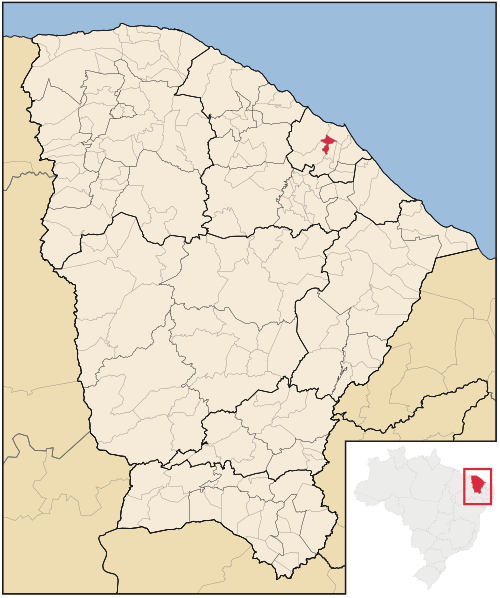
Maracanaú is a municipality located in the northeastern region of Brazil, specifically in the state of Ceará. It lies just 18 kilometers northwest of the state capital, Fortaleza, and is part of the Metropolitan Region of Fortaleza. With a population exceeding 200,000 residents, Maracanaú is characterized by its rapid urbanization and growth, emerging as an important industrial hub in the region. The city’s strategic location allows for significant connectivity and trade opportunities, bolstered by its proximity to the Ceará Industrial and Port Complex, which enhances its economic potential.
Established as a municipality in 1991, Maracanaú has evolved from a rural area into a vibrant urban center. The economy is primarily driven by industry, commerce, and services, with notable sectors including textiles, food processing, and furniture manufacturing. The Maracanaú Industrial District, developed in the 1970s, attracts numerous companies and provides jobs for local residents, contributing to overall economic development. In addition to its industrial strengths, the city has made strides in infrastructure and social services, improving education and health care access for its inhabitants.
Culturally, Maracanaú reflects the rich heritage of Ceará and the broader northeastern Brazilian experience. The city is home to several festivals and cultural events that celebrate local traditions, music, and arts. The annual Festa do Pau da Bandeira, which involves a vibrant procession and celebrates local spiritual practices, is one such event that draws significant participation. The city's landscape is marked by both urban areas and green spaces, offering a blend of city life and natural beauty. With ongoing development initiatives and a focus on sustainable growth, Maracanaú continues to position itself as an emerging city within Brazil's rapidly evolving socio-economic landscape.
Facts about Maracanaú
- Maracanaú is located in the state of Ceará and is part of the metropolitan region of Fortaleza, making it a key urban center in Northeastern Brazil.
- The city was officially founded on May 1, 1986, distinguishing it as a relatively young city compared to many historic locations in Brazil.
- Maracanaú is known for its industrial development, featuring numerous factories and businesses, contributing significantly to the local economy and job market.
- The city hosts the Parque Potira, a large urban park that offers recreational activities and green space, which is uncommon in many Brazilian cities.
- Maracanaú celebrates the Festival of the Exaltation of the Holy Cross, a local cultural and religious event that attracts many visitors and showcases the region's traditions.
- The city has developed a strong sports culture, with a focus on soccer, and has given rise to several talented athletes who have competed at national and international levels.
- Maracanaú is directly connected to major highways, including BR-222, which facilitates regional trade and accessibility, enhancing its importance as a logistics hub.
- The local economy is supported by both agriculture and industry, with significant production of fruits and vegetables that cater to the growing urban population.
- Maracanaú features a mixture of architectural styles, reflecting its development over the years, from colonial influences to contemporary designs, which is unique for cities in the region.
- The city is known for its vibrant local markets, where artisans sell traditional crafts and foods, offering a glimpse into the cultural heritage of the Ceará region.