Maradi, Niger
- 361,702 people
- 2 places to visit
- 13.501, 7.1036
Places to Visit (2)
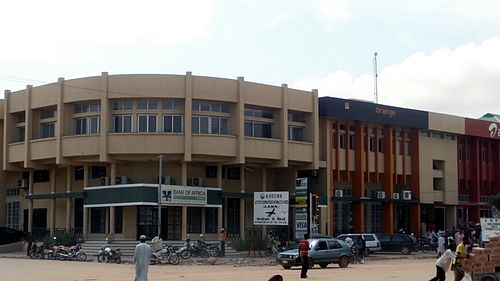
Maradi is a significant city located in southeastern Niger, serving as the capital of the Maradi Region. It is one of the country's most populous urban centers, with an estimated population exceeding 200,000 residents. The city is situated approximately 200 kilometers east of Niamey, Niger's capital, and acts as a vital commercial and administrative hub in the region. Maradi's geographical position near the border with Nigeria enhances its economic activities, making it a focal point for trade and cultural exchange. The local economy relies heavily on agriculture, with the surrounding area supporting crops such as millet, sorghum, and maize, as well as livestock farming.
Maradi is also characterized by its diverse ethnic composition, predominantly including the Hausa people, who have a rich cultural heritage. This diversity is reflected in the city's vibrant markets, local festivals, and traditional crafts. The region has a history of trade dating back centuries, which has contributed to the development of social and cultural networks that connect various communities. Education and healthcare facilities in Maradi have seen gradual improvements, although challenges remain due to resource constraints. The city's infrastructure, including roads and public services, continues to develop to accommodate its growing population and to bolster regional economic integration. Overall, Maradi stands as a pivotal city in Niger, balancing tradition and modernity while striving for socio-economic progress.
Facts about Maradi
- Maradi is the second-largest city in Niger and serves as the capital of the Maradi Region.
- The city is known for its vibrant markets, particularly the Maradi market, which is one of the largest and most important in Niger, attracting traders from across the region.
- Maradi has a rich history and is considered a center for Islamic culture in Niger, with several important mosques and educational institutions.
- The city plays a significant role in agriculture, known for its production of millet, maize, and peanuts, contributing to the local economy.
- Maradi is famous for its traditional Zarma and Hausa culture, which is reflected in the city's music, crafts, and festivals.
- The region around Maradi has been a crossroads for trade between northern Nigeria and Niger, influencing its cultural diversity.
- Maradi hosts the annual 'Maradi Cultural Festival' which showcases local traditions, music, and dance, highlighting the region's rich heritage.
- The city is located near the border with Nigeria, making it an important area for cross-border commerce and cultural exchange.
- Maradi has a reputation for educational advancements and is home to various institutions, contributing to improved literacy rates in the region.
- The architecture in Maradi features distinctive mud-brick houses and traditional buildings, which are characteristic of the Sahelian architectural style.