Mardan, Pakistan
- 300,424 people
- 11 places to visit
- 34.1986, 72.0404
Places to Visit (11)
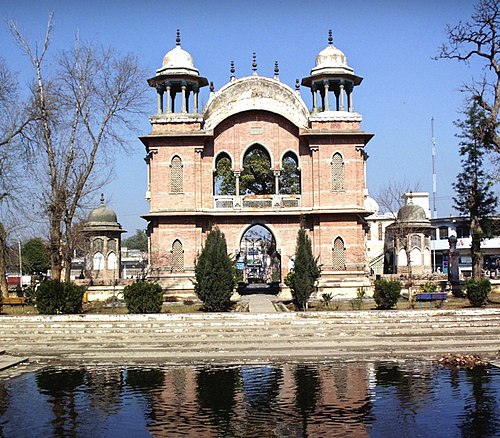
Mardan is a city located in the Khyber Pakhtunkhwa province of Pakistan, known for its rich history, cultural significance, and agricultural landscape. Situated approximately 56 kilometers northwest of Peshawar, Mardan serves as the administrative center of the Mardan District. The city is strategically positioned along the historically significant Grand Trunk Road, which has served as a vital trade route for centuries. It lies in the lush and fertile valley of the Swat River, making it an important agricultural hub. The region is predominantly inhabited by Pashto-speaking people and is characterized by its vibrant culture, which is steeped in the traditions and customs of the Pashtun tribes.
Mardan has roots that trace back to ancient times, with archaeological findings suggesting that the area has been inhabited for thousands of years. Notable historical sites include the ruins of the ancient city of Takht-i-Bahi, a UNESCO World Heritage site, which reflects the region's rich Buddhist heritage. Additionally, the city is near the archaeological site of Shahbaz Garhi, where inscriptions from the time of Ashoka—a Mauryan Emperor—were discovered, providing insight into the cultural and historical significance of the area. The economy of Mardan is primarily based on agriculture, with crops such as wheat, corn, and sugarcane being cultivated. The city also has a variety of industries, including textiles and pharmaceuticals, which contribute to its economic development.
In recent years, Mardan has seen various development projects aimed at improving infrastructure, education, and healthcare facilities. The city is home to several educational institutions, including universities and colleges, which serve to promote learning and skill development amongst the youth. Additionally, Mardan's local governance has focused on enhancing public services and fostering economic growth. Despite the challenges posed by regional instability in the past, Mardan remains a vital center of trade and culture in Khyber Pakhtunkhwa, offering a blend of historical significance and modern developments that reflect the resilience and spirit of its people.
Facts about Mardan
- Mardan is known for its ancient history, with archaeological sites that date back to the Indus Valley Civilization.
- The city is home to the historical Buddhist site of Takht-i-Bahi, a UNESCO World Heritage site famous for its well-preserved ruins of monastic buildings.
- Mardan is famed for the production of high-quality musical instruments, particularly the traditional 'Rubab' used in Pashto music.
- The city hosts the annual 'Mardan Sports Festival', which showcases various traditional sports, emphasizing local culture and community engagement.
- Mardan has a significant historical connection with the Ghurid dynasty, which ruled parts of South Asia in the 12th century and left its mark on the region's architecture.
- It is known as a center for Pashto literature, with many renowned poets and writers hailing from the region.
- Mardan's economy is bolstered by agriculture, particularly the cultivation of fruits such as oranges and pomegranates, which are known for their quality.
- The city's population is known for its rich cultural heritage, with unique traditional attire and customs that distinguish it from other regions in Pakistan.
- Mardan District is also noted for its educational advancements, housing the first educational institution established by the government after the partition of India.
- The region plays a vital role in the socio-political landscape of Khyber Pakhtunkhwa, being a historical hub for various socio-political movements.