Mardin, Turkey
- 129,864 people
- 10 places to visit
- 37.3129, 40.734
Places to Visit (10)
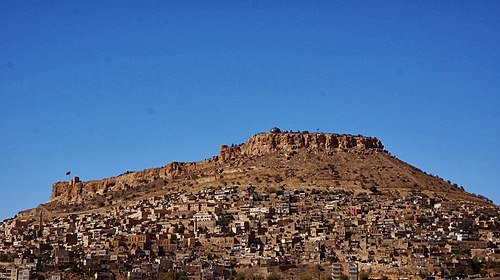
Mardin is a picturesque city located in southeastern Turkey, known for its unique blend of cultures, historical significance, and stunning architecture. Perched on a hilltop overlooking the plains of Mesopotamia, Mardin has served as a crossroads for various civilizations, including the Assyrians, Romans, Byzantines, and Ottomans. The city's architecture is characterized by the distinctive golden-hued limestone buildings that reflect the ancient craftsmanship typical of the region. The historic city center features narrow, winding streets adorned with intricate stone carvings and centuries-old mosques, churches, and monasteries, showcasing the coexistence of diverse religious and ethnic communities, including Muslims, Christians, and Yazidis.
Mardin's rich history is palpable in its numerous historical sites, including the 15th-century Zinciriye Medrese, a former theological school, and the Great Mosque of Mardin, which stands as a testament to the city's Islamic heritage. The nearby ancient town of Dara, established during the Roman era, offers visitors a glimpse into the Roman and Byzantine past with its well-preserved ruins. The region is also well-known for its traditional arts and crafts, such as silverwork and weaving, which reflect the influences of its diverse cultural heritage. Recent years have seen an increase in interest from both domestic and international tourists drawn to Mardin's scenic beauty and historical depth. Together, these aspects contribute to Mardin's designation as a UNESCO World Heritage site, underlining its importance as a cultural and historical destination in Turkey.
Facts about Mardin
- Mardin is known for its unique architecture, which features a blend of Arabic and Kurdish styles, with limestone buildings that beautifully reflect the sun's light.
- The ancient city of Mardin has been inhabited since the II century BC, making it one of the oldest continuously inhabited cities in the world.
- Mardin is famous for its traditional stone houses and narrow streets, which are laid out on a hilltop, offering stunning views of the Mesopotamian plains.
- It is home to the Mor Gabriel Monastery, one of the oldest surviving Syriac Orthodox monasteries in the world, established in 397 AD.
- Mardin has a diverse population, including Arabs, Kurds, and Assyrians, which contributes to its rich cultural tapestry and unique culinary offerings.
- The city is part of the 'Old Mardin' project, aimed at preserving its historical sites and promoting sustainable tourism.
- Mardin's 'City of Art' initiative has transformed the city into a hub for arts and cultural events, attracting artists and performers from across the region.
- In 2013, Mardin was designated a 'Cultural Heritage City' by the European Union for its outstanding historical and cultural value.
- The local cuisine features unique dishes not commonly found in other parts of Turkey, such as 'Tantuni' and 'Kibbeh', reflecting the region's multicultural influences.
- Mardin's location on a hill offers panoramic views of the Tigris River and the plains of Mesopotamia, giving it a strategic significance throughout history.