Marghera, Italy
- 28,622 people
- 13 places to visit
- 45.4684, 12.2218
Places to Visit (13)
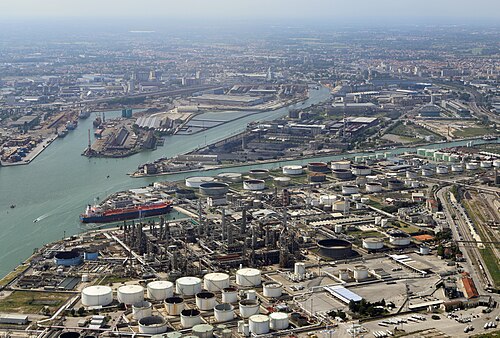
Marghera is a suburban area located in the municipality of Venice, Italy, situated on the mainland just west of the city of Venice itself. It is part of the metropolitan area known as the "Venezia-Mestre," which serves as a vital industrial and commercial hub. Marghera boasts a rich historical backdrop, having been established in the early 20th century as an industrial zone to support the growing economy of Venice. The area developed significantly after World War I, becoming notable for its port facilities and manufacturing sectors. The Marghera industrial district attracted various industries, including petrochemicals, logistics, and shipbuilding, contributing to its transformation into one of Italy's key industrial centers.
In addition to its industrial importance, Marghera has strategic geographical advantages due to its proximity to the Venice Lagoon and the Adriatic Sea. The port of Marghera serves as a critical entry point for goods, facilitating maritime trade and commerce. This has fostered a diverse economy, while also leading to environmental challenges, as industrial activities have raised concerns about pollution and ecological preservation in the region. Infrastructure improvements, including better road and rail connections, have been implemented to enhance access to the area and promote sustainable development.
Culturally, Marghera is less recognized than its famous neighboring Venice, but it is home to a mixture of local traditions and a diverse community. The presence of industry has attracted a varied workforce, contributing to the multicultural fabric of the area. Over the years, efforts have been made to rehabilitate portions of Marghera and enhance its livability, with regeneration projects focusing on creating green spaces and improving public amenities. Despite the industrial backdrop, residents and local authorities are working towards a balanced future that combines economic vitality with environmental responsibility, making Marghera a unique blend of industry and community living in the shadow of its world-renowned neighbor.
Facts about Marghera
- Marghera is an industrial district of Venice, known for its significant role in Italy's industrial development since the early 20th century.
- It houses one of the largest and busiest industrial ports in Italy, the Porto Marghera, which plays a crucial role in the nation's economy.
- Marghera was established as part of the 'Venetian Economic Zone' plan in 1917, aimed at boosting the economic activities in the region.
- The city is home to a unique blend of modern architecture and historic industrial buildings, reflecting its industrial roots.
- Marghera is known for its multicultural community, offering a mix of cultures and ethnicities, distinct from the more tourist-centric Venice.
- The area has been the site of various environmental innovations, including projects focused on sustainability and green technologies in industrial practices.
- Marghera hosts the annual 'Festa del Redentore', a local festival that marks Venetian traditions and celebrates the community spirit.
- The district has strong connections to Venice, making it a critical transportation hub with various public transit options to the historic city.
- Marghera was also a pivotal location during World War II, heavily bombed due to its industrial significance, which has shaped its post-war recovery.
- It is less known for tourism compared to nearby Venice, offering a more authentic glimpse into working-class life in Italy.