Marion IN, United States
- 29,081 people
- 12 places to visit
- 40.5584, -85.6591
Places to Visit (12)
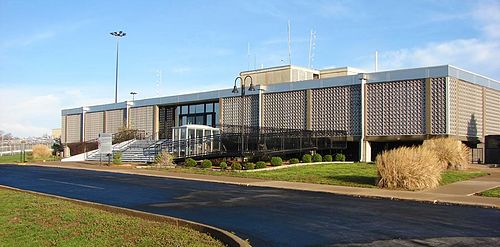
Marion is a city located in Grant County, Indiana, in the United States. As of the 2020 census, it had a population of approximately 29,000 residents. Marion serves as the county seat of Grant County and has a rich history that dates back to its founding in 1830. Originally named "Lynn," it was renamed Marion in 1832 in honor of General Francis Marion, a hero of the American Revolutionary War. The city is characterized by its small-town atmosphere combined with a range of urban amenities. Marion is known for its vibrant community, local festivals, and the arts scene, which includes cultural events such as the annual Marion Arts Festival.
The economy of Marion has traditionally been rooted in manufacturing and agriculture, with significant contributions from various industries over the years. However, like many American cities, it has faced economic shifts, particularly with the decline of manufacturing jobs. Today, the city is working towards economic diversification by fostering small businesses and attracting new industries. Education plays a crucial role in the city's community life, with institutions such as Indiana Wesleyan University and Taylor University located in the area. Additionally, Marion is home to several parks, providing residents with recreational opportunities and promoting a healthy lifestyle.
Marion is also known for its historical significance and has various landmarks that reflect its past. The city is home to the Marion National Cemetery, established in 1866, which serves as a resting place for veterans. The Grant County Courthouse, a notable architectural landmark built in the late 19th century, adds to the city's historical charm. Cultural amenities, including museums and theaters, serve to enhance the quality of life for residents and visitors alike. Overall, Marion exemplifies a blend of history, community spirit, and ongoing adaptation to modern challenges, making it a unique place to live and visit in Indiana.
Facts about Marion
- Marion, Indiana, is known as the 'City of Seven Hills', a name that distinguishes it due to its unique topography compared to other towns in the state.
- The city is home to the historic Marion Public Library, which is listed on the National Register of Historic Places and was established in 1899.
- Marion served as an important hub during the railroad expansion in the late 19th century, which significantly contributed to its economic growth and industrial development.
- The city gained attention in the 1950s for the Marion Cardinals, a minor league baseball team that was a farm team for the St. Louis Cardinals, fostering local sports culture.
- Marion is significant for its production of titanium castings, being one of the few cities in the U.S. with this specialized manufacturing prowess.
- The city is also known for its annual 'Marion Popcorn Festival', celebrated for over four decades, showcasing the local popcorn industry and community spirit.
- Notable figures such as actor James Dean, who was born in Marion, have contributed to the city's cultural history, making it a site of interest for film enthusiasts.
- Marion has a distinct blend of industrial heritage and agricultural roots, making it different from other urban centers in Indiana.
- The city is home to Indiana Wesleyan University, the largest private college in Indiana, which influences the local economy and educational landscape.
- Marion features the historic 'Downtown Marion Historic District', which encompasses a variety of architecturally significant buildings dating back to the early 20th century.