Mariupol, Ukraine
- 431,859 people
- 12 places to visit
- 47.0971, 37.5434
Places to Visit (12)
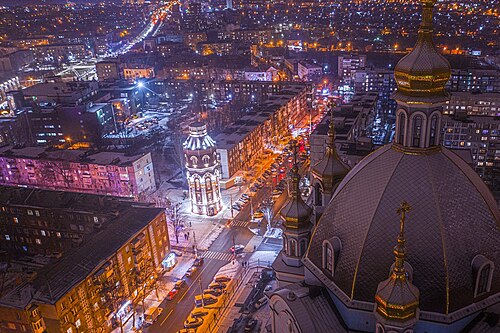
Mariupol, a strategic port city located on the Sea of Azov, is situated in southeastern Ukraine. Founded in 1778, it has grown into a significant industrial center with a diverse economy, primarily focused on steel production and shipbuilding, driven by its rich coal and iron ore resources. Historically, Mariupol has been known for its ethnically diverse population, including a substantial number of Greeks, who settled in the region over centuries. The city became a hub for trade and crafts, and its location made it a crucial military and economic asset, especially during times of conflict.
In recent years, Mariupol has been at the frontline of the geopolitical tensions between Ukraine and Russia. The city's importance was highlighted during the conflict that erupted in 2014, following Russia's annexation of Crimea and the subsequent war in Eastern Ukraine. Mariupol has experienced numerous challenges, including military confrontations and economic disruptions, as it lies near the self-proclaimed Donetsk People's Republic. Despite such turmoil, the city managed to evolve, demonstrating resilience and a commitment to rebuild its infrastructure. However, the ongoing conflict reached a critical point in 2022 during the full-scale invasion of Ukraine by Russian forces, leading to extensive destruction, humanitarian crises, and significant loss of life.
The combat over Mariupol underscored its strategic significance, and the city's resistance became a symbol of Ukrainian resilience. Reports of widespread devastation emerged, with residential areas, industrial sites, and cultural landmarks heavily damaged or destroyed. The local population faced severe shortages of food, water, and medical supplies, prompting an international humanitarian response. Mariupol’s future remains uncertain, with its local governance challenged and ongoing debates surrounding reconstruction efforts. Nevertheless, the city's history and determination reflect the broader national struggle of Ukraine for sovereignty and peace amidst external aggression.
Facts about Mariupol
- Mariupol is one of the largest cities in Donetsk Oblast and is strategically located on the coast of the Sea of Azov.
- The city has a rich history of industrial development, particularly in the steel and metal industry, with the Illich Steel and Iron Works being one of the largest employers.
- Mariupol has a significant Greek heritage, with a large population of Greek descendants who celebrate unique cultural festivals and traditions.
- The city played a pivotal role during World War II and was the site of numerous battles, which have left lasting historical impacts.
- Mariupol is known for its beautiful coastal beaches, making it a popular destination for tourists looking for seaside relaxation.
- The city is home to the Mariupol Sea Port, one of the largest and busiest ports in Ukraine, facilitating trade and transportation.
- In recent years, Mariupol has become a symbol of resilience, enduring conflict and devastation during the ongoing war in Eastern Ukraine.
- Mariupol has vibrant cultural institutions, including theaters, museums, and an annual film festival that attract local and national attention.
- The famous Azovstal steelworks in Mariupol became a symbol of resistance during the conflict, especially during the siege in 2022.
- Mariupol is also known for its modern urban development projects that aim to revitalize the city despite the surrounding political and social challenges.