Maroua, Cameroon
- 314,122 people
- 3 places to visit
- 10.5925, 14.321
Places to Visit (3)
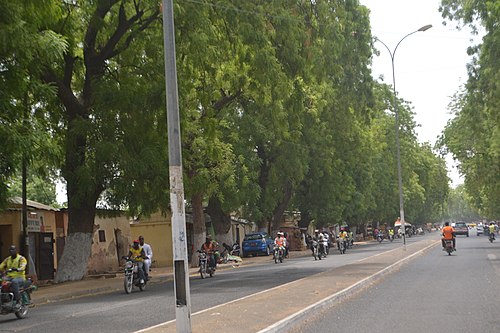
Maroua is a vibrant city located in the Far North Region of Cameroon, known for its rich cultural heritage and as a hub of economic activity. It serves as the capital of the Mayo-Sava Division and is an essential center for trade and agriculture, particularly due to its proximity to the borders with Nigeria. The city is situated at an elevation of approximately 1,100 meters above sea level, which contributes to its unique climate characterized by a warm, dry season and a shorter, rainy season. Maroua's population is diverse, predominantly comprising various ethnic groups, including the Fulani, Kanuri, and Mandara, each contributing to the city's cultural mosaic.
Maroua is recognized for its dynamic markets, particularly the Maroua Grand Market, where local artisans and traders sell a variety of goods ranging from textiles and crafts to agricultural products. The city is often considered the economic heartbeat of the Far North Region, with agriculture serving as a primary livelihood for many residents. Crops such as millet, sorghum, maize, and groundnuts are widely cultivated in the surrounding areas. Additionally, the city plays host to the yearly Maroua Traditional Festival, a celebration of local music, dance, and crafts, which reflects the area's rich cultural traditions and fosters community spirit. The city is also known for its scenic landscape, with nearby attractions such as the Mandara Mountains and floodplains that support diverse wildlife. Despite challenges such as security concerns and climate change, Maroua continues to embody the resilience and cultural richness of the northern regions of Cameroon, making it a critical part of the country's identity.
Facts about Maroua
- Maroua is known as the chief city of the Far North Region of Cameroon, serving as a cultural and commercial hub in the area.
- The city is surrounded by the beautiful Mandara Mountains, which significantly influence its landscape and climate, contrasting with other regions of Cameroon.
- Maroua is famous for its vibrant weekly market, where locals gather to sell and trade a variety of goods, showcasing the region's rich cultural diversity.
- The city has a unique architecture influenced by both traditional African and colonial styles, particularly visible in its historic buildings and markets.
- Maroua hosts the Maroua Cultural Festival, celebrating local traditions, music, and dances, which highlights the city’s cultural heritage.
- One of the notable landmarks in Maroua is the Grand Mosque of Maroua, an important religious structure that reflects the Islamic culture prevalent in the region.
- Maroua is the center of the Fulani community in Cameroon, which is evident in its customs, language, and daily practices, distinguishing it from other cities.
- The economy of Maroua is bolstered by agriculture and animal husbandry, making it a significant contributor to the region's food supply, especially in comparison to more industrialized cities.
- Moreover, Maroua serves as a starting point for exploring the Waza National Park, which is known for its rich wildlife and distinctive ecosystems, attracting many tourists.
- Unlike many other cities in Cameroon, Maroua experiences a predominantly Sahelian climate, characterized by a long dry season, influencing local agricultural practices.