Marsberg, Germany
- 21,914 people
- 10 places to visit
- 51.4575, 8.8475
Places to Visit (10)
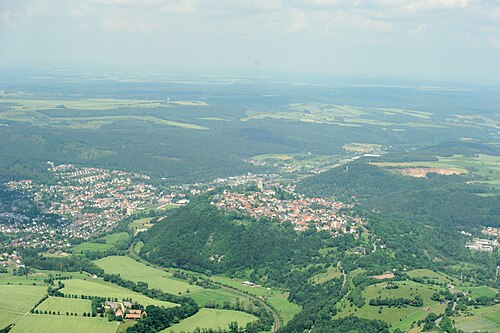
Marsberg is a small town located in the North Rhine-Westphalia region of Germany, within the district of Hochsauerlandkreis. It sits at the edge of the Sauerland mountainous region, characterized by its rolling hills and scenic landscapes. The town lies approximately 40 kilometers south of the larger city of Paderborn and about 80 kilometers northeast of the regional hub of Dortmund. Marsberg has a population of around 20,000 inhabitants, making it a relatively quiet yet vibrant community rich in history and cultural heritage.
Historically, Marsberg's origins date back to the Roman Empire, evident from archaeological findings in the area. Its historical significance is highlighted by the remnants of a Roman fort, which played a role in the Roman defense system. The town is known for its medieval architecture, particularly the Church of St. Peter and Paul, a remarkable example of Gothic revival style that dates back to the 12th century. The town hall, built in the 19th century, also reflects its historical charm. In addition to these sites, Marsberg is surrounded by dense forests and parks, offering opportunities for outdoor activities such as hiking and cycling, which are popular among both locals and visitors.
Marsberg’s economy has traditionally been based on agriculture and small-scale manufacturing, but in recent years, the town has seen growth in the service and tourism sectors. Local festivals and events, including the popular annual Christmas market, enhance the town's communal spirit and attract visitors to experience its local culture. The town’s strategic location near major transport routes facilitates access to larger urban areas while maintaining its small-town appeal. The blend of history, natural beauty, and a friendly community makes Marsberg a unique destination in Germany, offering insights into both traditional German culture and contemporary living.
Facts about Marsberg
- Marsberg is home to the historic town center, which features well-preserved medieval buildings that reflect its rich history dating back to the 9th century.
- The city is known for its annual ‘Marsberger Weinfest’, attracting visitors who celebrate local wines and regional culinary offerings.
- Marsberg has a unique geographical feature, the Diemel River, which provides scenic beauty and recreational opportunities, setting it apart from many other towns in the region.
- The ruins of the Marsberg Castle can be found on a hilltop, offering panoramic views of the town and surrounding landscape, making it a popular hiking destination.
- Marsberg is part of the Hochsauerlandkreis, a region recognized for its stunning natural scenery, including forests and mountains that encourage outdoor activities.
- The city hosts the traditional ‘Kunst- und Kulturverein’, promoting local arts and culture through exhibitions, performances, and community programs.
- Marsberg is known for the historic St. Peter and Paul Church, a significant landmark featuring remarkable architecture and artwork that reflects the city’s ecclesiastical heritage.
- The town is recognized for its vibrant local crafts, particularly in pottery and textiles, contributing to its cultural identity and economic life.
- Marsberg has historical significance as a former center of the salt trade, influencing its development and economic history over the centuries.
- The city participates in various intercity partnerships, actively promoting cultural exchange and collaboration with towns across Europe.