Marseille, France
- 870,731 people
- 15 places to visit
- 43.3026, 5.3691
Places to Visit (15)
Marseille, located on the southeastern coast of France, is the second-largest city in the country and the largest port on the Mediterranean. With a population of over 870,000, it serves as a significant cultural and economic hub. Founded around 600 BC by Greek sailors from Phocaea, Marseille claims to be the oldest city in France, steeped in a rich history that has been influenced by various cultures, including the Greeks, Romans, and later, various North African communities. This multicultural heritage is reflected in the city's vibrant neighborhoods, architecture, and diverse culinary scene, with local specialties like bouillabaisse, a traditional fish stew, being particularly notable.
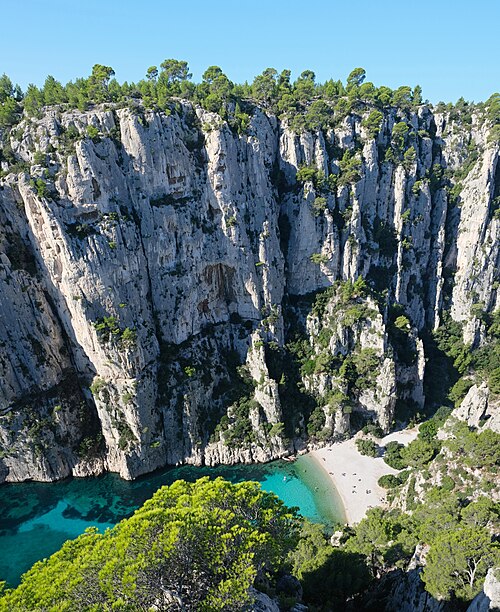
Marseille's geography is characterized by stunning coastal landscapes, including the Calanques National Park, known for its striking cliffs, turquoise waters, and rich marine biodiversity. The city's Old Port (Vieux-Port) serves as a picturesque focal point, lined with cafes, seafood markets, and historical sites. Landmarks such as the Basilique Notre-Dame de la Garde, perched on a hilltop, offer panoramic views of the city and the Mediterranean Sea. Marseille's cultural vibrancy is further enhanced by its numerous festivals, art galleries, and theaters, including the influential MuCEM (Museum of European and Mediterranean Civilizations), which highlights the city's connection to its maritime roots.
As a melting pot of cultures, Marseille faces the challenges and advantages of urban diversity, including social issues and economic opportunities. The city has made strides in recent years to improve infrastructure, promote tourism, and celebrate its unique identity. In 2013, Marseille was designated a European Capital of Culture, which spurred significant investment in cultural initiatives and urban development projects. With its rich history, stunning natural beauty, and dynamic cultural scene, Marseille continues to attract visitors and residents, making it a vital part of France's national identity.
Facts about Marseille
- Marseille is the oldest city in France, founded around 600 BC by Greek settlers from Phocaea, which gives it a rich and diverse historical background.
- The city is known for its significant role as a major Mediterranean port, being France's largest port for trade and also a key center for maritime commerce.
- Marseille is famous for its unique dish called bouillabaisse, a traditional Provençal fish stew that reflects its coastal heritage and multicultural influences.
- The city hosted the 2013 European Capital of Culture event, which showcased its rich artistic and cultural life as well as its historical significance.
- Home to the iconic Basilique Notre-Dame de la Garde, a towering landmark that offers panoramic views of the city and the coastline, it symbolizes Marseille's unique identity.
- The Old Port (Vieux-Port) is a central hub of Marseille, historically used as a trading port, and today it serves as a vibrant area with restaurants, cafes, and markets.
- Marseille boasts a diverse population, with over 100 different nationalities represented, reflecting its role as a melting pot of cultures and traditions.
- The city is the birthplace of the renowned soap-making tradition known as savon de Marseille, a natural and environmentally friendly product famous throughout France and beyond.
- In 2017, the urban area of Marseille was designated as a UNESCO World Heritage site for its unique architectural and cultural elements, notably the Modernist housing project, Cité Radieuse.
- Marseille is also known for its vivid street art scene, particularly in neighborhoods like Le Panier, making it a canvas for urban artists and an attraction for art enthusiasts.