Marysville WA, United States
- 66,773 people
- 17 places to visit
- 48.0518, -122.1771
Places to Visit (17)
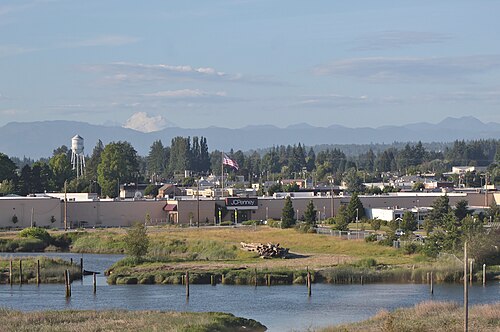
Marysville is a city located in Snohomish County, Washington, situated approximately 35 miles north of Seattle. Founded in 1872, it was initially a trading outpost and has since evolved into a thriving suburban community. Marysville lies along the Stillaguamish River and is bordered by Puget Sound to the west, providing residents with picturesque natural surroundings. The population of Marysville has grown significantly over the past few decades, with the 2020 census reporting around 70,000 residents. This growth can be attributed to the city's appealing amenities, including parks, schools, and shopping centers, as well as its proximity to larger urban centers, making it an attractive location for families and commuters.
Historically, Marysville has been involved in timber and agriculture, which shaped its economic foundations. However, the city has diversified its economy over the years, now boasting a mix of retail, healthcare, and manufacturing sectors. The Marysville-Tulalip area is particularly noteworthy as it includes the Tulalip Tribes, who have contributed to the local culture and economy through their presence and enterprises, such as the Tulalip Resort Casino. In addition to its economic development, Marysville is home to a number of parks and recreational facilities, including the popular Jennings Park, which offers trails, sports fields, and picnic areas. The annual Marysville Strawberry Festival, a tradition since 1932, further enhances community spirit, featuring a parade, carnival, and various family-friendly activities that celebrate the city's heritage.
Education in Marysville is primarily managed by the Marysville School District, which serves students from preschool through high school. The district is known for its commitment to academic excellence and offers various extracurricular activities to support student development. As the city continues to grow, it faces challenges related to infrastructure and community services but remains a vibrant place to live, with a blend of small-town charm and modern conveniences. Marysville's combination of natural beauty, robust community engagement, and strategic location makes it a desirable destination for residents and visitors alike.
Facts about Marysville
- Marysville is home to the Tulalip Tribes, an important Native American community, which runs the Tulalip Resort Casino and provides cultural experiences for visitors.
- The city is known for its annual Strawberry Festival, celebrating the local strawberry harvest with parades, a carnival, and various community activities, making it one of the longest-running festivals in the region.
- Marysville features a unique historical landmark, the Old Marysville Schoolhouse, which was built in 1891 and now serves as a community center, showcasing the city’s early educational history.
- The city's location along the Stillaguamish River and its proximity to the Puget Sound provide ample opportunities for outdoor activities such as kayaking, fishing, and hiking.
- Marysville has a rich railway history, being an important stop on the Northern Pacific Railway route, which contributed to its growth during the early 20th century.
- The city boasts the 15,000-square-foot Marysville Opera House, a restored historic building that hosts community events and performances, distinguishing it from many towns lacking such a venue.
- Marysville’s 4th of July celebration is one of the largest in Snohomish County, featuring a massive fireworks display and attracting thousands of attendees each year.
- The city is recognized for its extensive parks system, including the newly developed Marysville Land Bridge, which connects two sides of the Ebey Slough and emphasizes environmental sustainability.
- Marysville has been designated as a TreeCity USA by the Arbor Day Foundation, reflecting its commitment to urban forestry and enhancing the city's green spaces.
- The city is part of the Scenic Byways program, providing easy access to the stunning natural beauty of the Cascade Mountain Range and the Puget Sound region.