Maseru, Lesotho
- 359,753 people
- 6 places to visit
- -29.3151, 27.4869
Places to Visit (6)
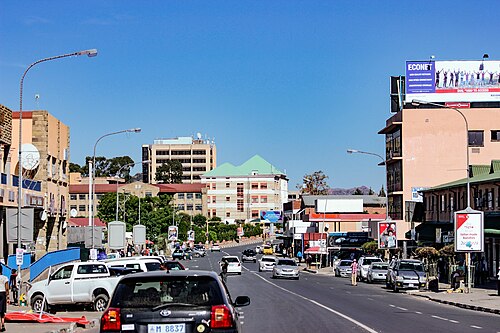
Maseru is the capital and largest city of Lesotho, an enclave nation located in Southern Africa, entirely surrounded by South Africa. Established in the mid-1860s, the city was originally a military post and has since evolved into the political and economic hub of the country. As of 2023, Maseru has an estimated population of over 300,000 residents, making it a sprawling urban center that reflects both the cultural heritage and modern development of Lesotho. The city's elevation, situated at approximately 1,600 meters (5,250 feet) above sea level, gives it a mild climate and stunning views of the surrounding mountains, contributing to its unique charm.
Maseru is characterized by vibrant life, with bustling markets, shops, and schools that serve as focal points for the community. The city showcases a mix of traditional Basotho culture and modern influences. Notable landmarks include the majestic Thaba-Bosiu, a sandstone plateau that holds significant historical importance as the birthplace of the Basotho nation, and the national cathedral, which reflects the country’s Christian heritage. The economic activities in Maseru primarily revolve around textile manufacturing, agriculture, and retail, with the city playing a central role in regional trade due to its proximity to South Africa. While Maseru faces challenges such as unemployment and infrastructure development, it remains a critical area for Lesotho's growth and progress, embodying the resilience of the Basotho people amidst evolving socio-economic landscapes.
Facts about Maseru
- Maseru is the capital and largest city of Lesotho, making it the political and administrative center of the country.
- The city was founded in 1869 by King Moshoeshoe I and was originally a small settlement known for its strategic location near the Caledon River.
- Maseru is home to the headquarters of the Lesotho government and the official residence of the Prime Minister.
- The National University of Lesotho, located in Maseru, is the largest university in the country and an important center for higher education.
- Maseru was designated a city in 1997, representing its growth and development into an urban center.
- The city features the iconic Moshoeshoe I Memorial, which commemorates the founder of the Basotho nation.
- Maseru hosts the Basotho Hat, or 'Mokorotlo,' which is a symbol of Basotho culture and is often seen in traditional events and ceremonies.
- The city has a distinct layout with a mix of modern infrastructure and traditional architecture, distinguishing it from other towns in Lesotho.
- The Lesotho National Development Corporation, based in Maseru, plays a vital role in promoting economic development and investment in the country.
- Maseru serves as the main hub for international trade and commerce in Lesotho, connecting the country with South Africa through various border posts.