Mashiko, Japan
- 26,045 people
- 9 places to visit
- 36.4674, 140.0933
Places to Visit (9)
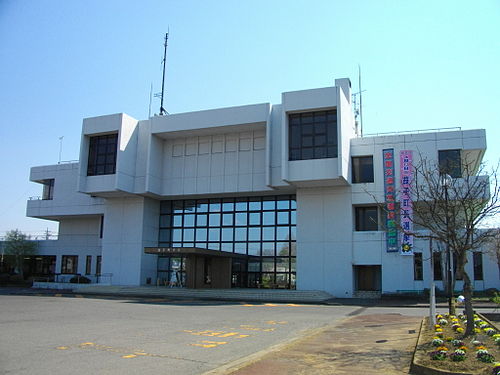
Mashiko is a picturesque town located in Tochigi Prefecture, Japan, renowned for its rich pottery tradition and vibrant cultural heritage. Nestled in the western foothills of the Kanto region, Mashiko is situated approximately 90 kilometers north of Tokyo, making it a popular destination for both tourists and residents seeking a serene escape from the bustling city life. The town's scenic landscape, characterized by rolling hills and lush rice fields, complements its artisanal charm, making it a quintessential representation of rural Japan.
Most famously, Mashiko is recognized as the birthplace of Mashiko-yaki, a distinctive style of pottery that has thrived since the late 19th century. The ceramics produced here are known for their earthy tones, functional designs, and often rustic aesthetic, which reflects the natural environment surrounding the area. This pottery tradition gained significant traction in the 1920s and 1930s thanks to the efforts of local potters, most notably Shoji Hamada, who was designated a Living National Treasure of Japan in 1955. Hamada's influence helped promote Mashiko as a center for ceramic arts, leading to the establishment of numerous pottery studios, galleries, and workshops that continue to attract artisans and enthusiasts from around the globe.
In addition to its pottery, Mashiko offers visitors several cultural and historical attractions. The town is home to the Mashiko Museum of Ceramic Art, which showcases both traditional and contemporary ceramics, and frequently hosts exhibitions from renowned local and international artists. The charm of the town is further enhanced by its annual events, such as the Mashiko Pottery Festival held every spring and autumn, where visitors can engage with local potters and purchase handmade ceramics. With its blend of artistic heritage, natural beauty, and cultural experiences, Mashiko provides a unique glimpse into Japan's pottery traditions while fostering a sense of community and creativity that continues to flourish.
Facts about Mashiko
- Mashiko is renowned for its pottery and is considered the center of Japanese ceramic production, particularly known for Mashiko-yaki, which features rustic and traditional designs.
- The city hosts the Mashiko Pottery Festival twice a year, attracting pottery enthusiasts and tourists from all over Japan and beyond to celebrate local artisanship.
- Mashiko's connection to the famous Japanese potter Shoji Hamada, who was designated a Living National Treasure, significantly boosted its reputation in the pottery world.
- The city is home to the Hamada Souza, a museum dedicated to the life and works of Shoji Hamada, showcasing traditional pottery techniques and philosophy.
- Mashiko has a unique mix of traditional and modern art, with its breathtaking landscapes serving as inspiration for artists and artisans.
- The Mashiko region is surrounded by beautiful natural scenery, including the famous Mashiko Hill, making it a popular destination for hiking and outdoor activities.
- Mashiko's local cuisine features traditional Japanese dishes with a focus on seasonal ingredients, offering a unique culinary experience distinct from other regions.
- The city emphasizes sustainable practices, showcasing a community of potters who prioritize eco-friendly materials and production methods.
- Mashiko has a vibrant community of artists beyond pottery, including painters, sculptors, and textile artists, contributing to a rich cultural environment.
- The annual Mashiko Art Festival showcases not only ceramics but also various forms of contemporary art, making it a unique cultural event that highlights the city's artistic diversity.