Massa, Italy
- 64,783 people
- 12 places to visit
- 44.0355, 10.1395
Places to Visit (12)
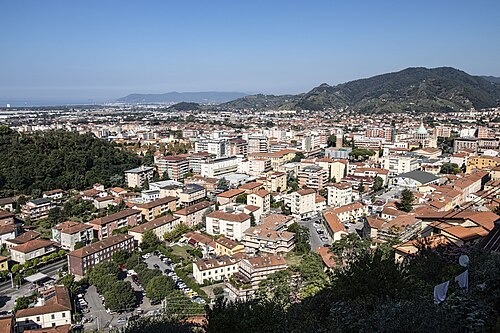
Massa is a charming city located in the Tuscany region of Italy, specifically in the province of Massa-Carrara. Nestled at the foot of the Apuan Alps and situated along the Ligurian Sea, the city boasts an ideal geographic location that contributes to its picturesque scenery and historical significance. With a population of approximately 65,000, Massa is characterized by its rich history, which dates back to the Roman Empire and is evident in its architecture and urban planning. The city’s historic center features narrow winding streets, charming squares, and important landmarks such as the Malaspina Castle, a medieval fortress that offers stunning views of the surrounding landscape.
Massa is also known for its marble production, which has been a significant part of the local economy for centuries. The nearby Carrara marble quarries extract some of the finest white marble in the world, used in various renowned sculptures and buildings, including Michelangelo's David. In addition to its economic activities centered around marble, the city benefits from tourism, drawing visitors with its cultural heritage, natural beauty, and proximity to popular coastal destinations like Forte dei Marmi and Viareggio. The region is also noted for its culinary offerings, with traditional dishes highlighting local produce and seafood that reflects the coastal influence. With its blend of historical richness, natural beauty, and vibrant local culture, Massa stands as a testament to the enduring charm of Tuscany.
Facts about Massa
- Massa is known for its historic marble quarries, which have been a significant source of high-quality marble since Roman times, distinguishing it from many other towns in Italy.
- The city is home to the Malaspina Castle, a medieval fortress that offers panoramic views of the surrounding area, showcasing its rich feudal history.
- Massa is part of the Lunigiana region, which is renowned for its unique blend of landscapes, ancient traditions, and local cuisine, setting it apart from other regions in Italy.
- The annual 'Palio di Massa' is a historic event that includes a parade and traditional games, reflecting the city's commitment to preserving and celebrating its local culture.
- Massa is located near the Apuan Alps, making it a popular destination for outdoor activities such as hiking and climbing, which distinguishes it from more urbanized centers in Italy.
- The city boasts the Cathedral of Massa, which features elements from Romanesque to Baroque architecture and is known for its artistic significance and historical value.
- Massa has a rich botanical heritage, particularly visible in the nearby 'Parco della Versiliana,' emphasizing its connection to natural beauty and environmental conservation.
- The town hosts various festivals throughout the year, including the 'Festa della Madonna della Misericordia,' celebrating local religious traditions and community spirit.
- Massa is part of the larger Province of Massa-Carrara, which is unique for its dual identity linked to both marble production and beach tourism along the Tyrrhenian coast.
- The local gastronomy in Massa features distinct dishes influenced by both coastal and mountain cuisine, highlighting local products such as chestnuts and seafood, offering a unique culinary experience.