Matola, Mozambique
- 1,198,988 people
- 5 places to visit
- -25.9239, 32.4658
Places to Visit (5)
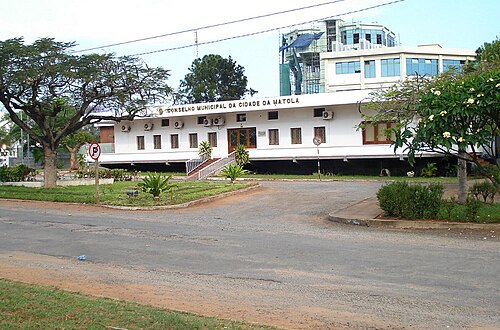
Matola is a vibrant city located in the Maputo province of Mozambique, situated just west of the capital city, Maputo. Established as a municipality in 1998, Matola is now one of the fastest-growing urban areas in the country, with a diverse population that reflects Mozambique's rich cultural heritage. The city's strategic location near Maputo allows it to serve as an important economic and transportation hub, facilitating trade and commerce with neighboring countries, particularly South Africa.
The economy of Matola has experienced significant development in recent years, driven by a mix of industry, agriculture, and commerce. The city is home to various industrial facilities, including manufacturing plants, which contribute to the local economy. Additionally, Matola has a thriving commercial sector with numerous markets, shops, and services catering to the needs of its residents. The agricultural sector also plays a vital role, as the surrounding areas provide fertile land for farming, helping to support food security and employment for many local inhabitants. Infrastructural improvements, such as better roads and transportation links, have further enhanced Matola's appeal as a destination for investment and business.
Matola is characterized by its dynamic community and social landscape. The city hosts several educational institutions, including primary and secondary schools, which reflect the Mozambican government’s commitment to improving access to education. Matola is also home to a variety of cultural and recreational facilities, such as parks, sports clubs, and theaters, which foster community engagement and social interaction. Events celebrating local traditions and cultural diversity are common, showcasing the city’s rich history and the harmonious blend of different cultural influences. Despite the challenges of urbanization and economic development, Matola continues to grow, striving to balance modernization with the preservation of its unique cultural identity.
Facts about Matola
- Matola is the second-largest city in Mozambique, located just south of the capital, Maputo.
- The city is known for its industrial sector, housing several factories and warehouses, which contribute significantly to the nation's economy.
- Matola was historically significant during the Mozambican Civil War as it served as a base for various military operations.
- The Matola River runs through the city, providing a vital water source and scenic views, distinguishing it from many other urban areas in Mozambique.
- Matola is famous for the Matola Municipal Market, where locals sell a variety of goods, making it a bustling center of commerce.
- The city hosts a number of educational institutions, including the Eduardo Mondlane University Matola Campus, which provides higher education opportunities to local students.
- Matola is closely associated with the Atlantic Ocean port of Maputo, enhancing its role as a transportation and logistics hub.
- The city celebrates the Matola Festival, which showcases cultural performances, local crafts, and traditional cuisine, reflecting the region's rich heritage.
- Matola has been developing rapidly since the end of the civil war, making it a noteworthy example of urban growth and modernization in Mozambique.
- Matola is unique for its diverse population, comprising various ethnic groups and cultures that contribute to the city’s vibrant social fabric.