Matsubushi, Japan
- 28,787 people
- 8 places to visit
- 35.9256, 139.8153
Places to Visit (8)
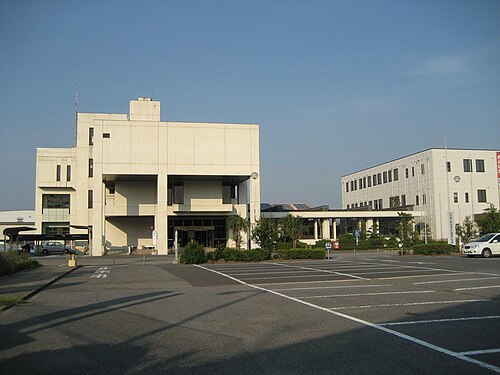
Matsubushi is a town located in Saitama Prefecture, Japan, positioned within the Greater Tokyo Area. As of 2020, it had a population of approximately 17,000 residents. Its name translates to "pine land," reflecting the town's scenic natural surroundings. Matsubushi covers an area of 8.13 square kilometers and is characterized by a blend of rural landscapes and suburban development, which offers a picturesque environment while providing essential amenities for residents. The town's proximity to Tokyo makes it an attractive location for commuters who work in the capital but prefer a quieter lifestyle outside the bustling city.
Matsubushi's history dates back several centuries, and it has developed from a primarily agricultural community into a more suburban area over the last few decades. The town is serviced by essential transport links, including the JR Takasaki Line, which connects it to major urban centers in the region, facilitating convenient travel. The local economy is supported by a mix of small businesses, retail establishments, and agricultural activities, with rice being a significant crop in the area. Cultural events, traditional festivals, and local cuisine highlight Matsubushi's rich heritage, further enhancing its appeal for both residents and visitors. Community initiatives promote interaction among its citizens, fostering a strong sense of identity and belonging in this tranquil yet connected town.
Facts about Matsubushi
- Matsubushi is known for its historical significance during the Edo period, where it served as a post town for travelers on the Nikko Highway.
- The city is distinct for its scenic natural surroundings, including lush rice paddies and the nearby Arakawa River, providing picturesque landscapes uncommon in urban Japan.
- Matsubushi has a unique 'Matsubushi Matsuri' festival, celebrated annually, which features traditional music and dance, highlighting local culture and community spirit.
- The town is home to several ancient temples and shrines, such as the Jikyu-ji Temple, which dates back over 400 years, showcasing its rich religious heritage.
- In recent years, Matsubushi has gained recognition for its efforts in sustainable agriculture, particularly in the cultivation of high-quality rice varieties unique to the region.
- Unlike many urban centers in Japan, Matsubushi maintains a small-town charm, with a population of around 16,000, making it one of Japan's less densely populated districts.
- The city hosts the Matsubushi History Museum, which provides insights into the region's local history and artifacts, distinguishing it from other towns that may lack such dedicated facilities.
- Matsubushi is strategically located near the larger city of Saitama, offering a blend of rural tranquility and easy access to urban amenities.
- The local cuisine features unique dishes made from locally sourced ingredients, including Matsubushi-style sushi, which showcases the area's agricultural products.
- Matsubushi's commitment to environmental preservation and community activities has earned it recognition as a model for other small cities in Japan, promoting sustainable living practices.