Maturín, Venezuela
- 647,459 people
- 12 places to visit
- 9.7334, -63.1914
Places to Visit (12)
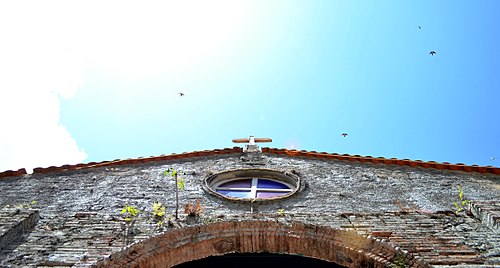
Maturín is the capital city of the Monagas state in northeastern Venezuela, situated along the banks of the Guarapiche River. It is approximately 500 kilometers east of the capital city, Caracas, and serves as an important economic and cultural center within the region. Founded in 1760, Maturín is one of the older cities in Venezuela and has a rich history that reflects the diverse influences of indigenous, Spanish colonial, and African cultures. The city's economy is primarily driven by the oil industry, given the proximity of vast oil reserves in the nearby Orinoco Oil Belt, which plays a significant role in the national economy. Agriculture also contributes to Maturín's economic landscape, with the cultivation of products such as rice, corn, and sugarcane.
Maturín is characterized by its tropical climate, experiencing both a wet and dry season, with average temperatures hovering around 28 degrees Celsius (82 degrees Fahrenheit). This climate fosters a lush environment, which is enhanced by the surrounding landscapes that include savannas and low mountain ranges. The city has a variety of educational institutions, healthcare facilities, and cultural sites. Noteworthy locations within Maturín include the José Antonio Anzoátegui Park, the Cathedral of Maturín, and various public plazas that serve as gathering points for residents. The city's population is diverse, comprising a mix of ethnic groups and cultural backgrounds, which contributes to its vibrant local traditions, music, and cuisine. Maturín continues to be a focal point for social and economic activities in Monagas state, reflecting both the challenges and potential of Venezuela's regional development.
Facts about Maturín
- Maturín is the capital of the Monagas State and serves as an important commercial and industrial center in eastern Venezuela.
- The city is built on the banks of the Guarapiche River, which plays a significant role in its agricultural and fishing economy.
- Maturín is known for its oil production, particularly following the discovery of oil in the surrounding areas in the 20th century, making it a key player in Venezuela's energy sector.
- The city hosts the Feria de Maturín, an annual festival that celebrates local culture, music, and cuisine, drawing thousands of visitors each year.
- Maturín features the Plaza Bolívar, a central square dedicated to Simón Bolívar, which is a common landmark in Venezuelan cities but is notable for its unique design and events.
- The Universidad de los Llanos Occidentales Ezequiel Zamora (UNELLEZ) is located in Maturín, contributing to the city's education and research in various fields.
- Maturín has a rich folklore tradition, particularly in music and dance, with genres like 'gaita' and 'joropo' being integral to its cultural identity.
- The city is strategically located near the eastern plains of Venezuela, which are essential for agriculture and cattle ranching, distinguishing it from more industrialized urban areas.
- Maturín also has a variety of natural parks and nearby wildlife reserves, such as the Parque Nacional Mochima, making it a gateway for eco-tourism in the region.
- The city's architecture reflects a blend of modern and traditional Venezuelan styles, making it a distinctive urban landscape compared to other cities like Caracas and Maracaibo.