Maun, Botswana
- 85,350 people
- 6 places to visit
- -19.9953, 23.4181
Places to Visit (6)
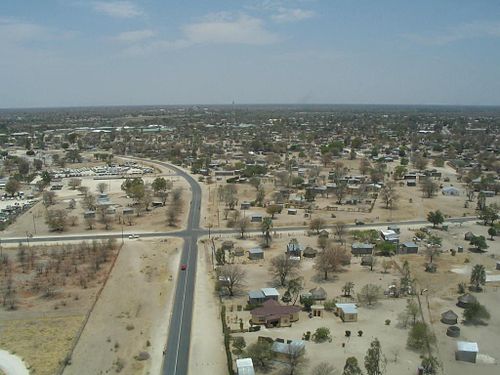
Maun is a town in Botswana, located in the Okavango Delta region, and serves as the administrative center of the Ngamiland District. It is often referred to as the "Gateway to the Okavango Delta," given its proximity to this UNESCO World Heritage site, which is famous for its rich biodiversity and unique inland delta system. The population of Maun is approximately 50,000 residents, and it has become one of the fastest-growing towns in Botswana, attracting both local and international visitors, particularly those interested in wildlife and eco-tourism. The town's growth can be attributed to its strategic location next to the Delta and the increasing number of safari lodges and camps that offer tours into the surrounding nature reserves.
Despite being significantly smaller than Gaborone, Botswana's capital, Maun has developed a vibrant urban landscape, characterized by a mix of traditional Tswana culture and modern influences. It offers various amenities, including shops, schools, and healthcare facilities, catering to both locals and tourists. The convergence of these elements makes Maun a cultural melting pot, where visitors can experience local art, cuisine, and hospitality. Additionally, Maun is home to the Maun International Airport, which serves as a key transportation hub, facilitating access to various wildlife reserves like Moremi Game Reserve and Chobe National Park. The town also plays host to an annual cultural festival, showcasing the traditions and heritage of the region, further enriching the experience for residents and tourists alike. As a focal point for conservation efforts and eco-friendly initiatives, Maun exemplifies the balance between development and environmental stewardship in Botswana.
Facts about Maun
- Maun is often referred to as the 'Gateway to the Okavango Delta', making it a key hub for tourism related to this UNESCO World Heritage Site.
- The town was originally established as a trading post for the British in the late 19th century and has grown into a major center for safari tours.
- Maun is the administrative and commercial center of the Ngamiland District, influencing the economy of the surrounding areas.
- It is home to the Maun International Airport, which is one of the busiest airports in Botswana, serving as a link between the wilderness of the Okavango Delta and international destinations.
- Maun has a unique mix of cultures, with a population that includes Tswana, San, and various immigrant communities contributing to its diverse cultural landscape.
- The town hosts the annual Maun International Jazz Festival, attracting artists and musicians from around the region and beyond.
- Maun is one of the few places in Botswana where one can still find traditional basket weaving, a craft that has been passed down through generations.
- It has a relatively young population compared to other towns in Botswana, giving it a vibrant and dynamic energy.
- Maun's location along the Thamalakane River allows for numerous water-based activities, including boat safaris and fishing opportunities.
- The Maun Educational Hub is recognized for its focus on wildlife and conservation studies, training a significant number of conservation professionals who work in the region.