Mazara del Vallo, Italy
- 51,534 people
- 17 places to visit
- 37.6551, 12.5902
Places to Visit (17)
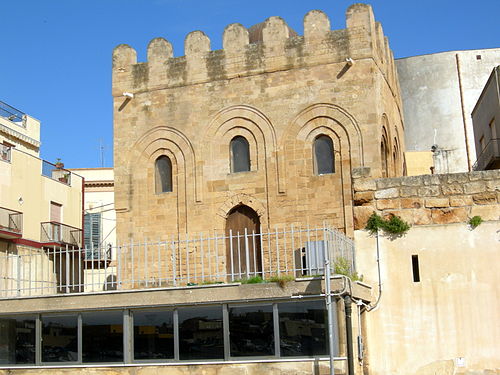
Mazara del Vallo is a charming coastal town located in the province of Trapani, Sicily, Italy. Situated on the western coast of the island, it boasts a rich history that dates back to its founding by the Phoenicians around the 8th century BC. The town's strategic position along the Mediterranean Sea has influenced its development, making it a significant center for trade throughout the centuries. Mazara del Vallo is known for its mix of various cultural influences, which reflect the diverse civilizations that have occupied the area, including the Romans, Arabs, and Normans. The town’s historic center features a labyrinth of narrow streets, stunning baroque architecture, and numerous churches, such as the Cathedral of the Holy Savior, which showcases a blend of different architectural styles.
The economy of Mazara del Vallo is closely tied to fishing, agriculture, and tourism. It is one of the most important fishing ports in Italy, renowned for its vibrant fishing industry, particularly for the production of tuna, which is celebrated through festivals and culinary traditions. The town also produces a variety of agricultural products, including olives, citrus fruits, and grapes, which contribute to the local economy. Tourism is increasingly vital, as visitors are drawn to its picturesque beaches, historical sites, and the surrounding natural beauty of the Belice Valley. Among its attractions is the famous "Tuna of Mazara," a bronze statue of a fish that symbolizes the town's fishing heritage, as well as the nearby archaeological sites and stunning landscapes found in the surrounding nature reserves.
In addition to its economic activities, Mazara del Vallo has a vibrant cultural scene, with numerous events and festivals celebrated throughout the year. The town hosts the Fish Festival, where the local culinary delights are showcased, highlighting Mazara’s fishing heritage. The blend of cultures is also evident in the local cuisine, which features Mediterranean flavors, fresh seafood, and traditional Sicilian dishes. The town’s multicultural atmosphere is further enriched by the presence of the Tunisian community, which has established a cultural link between Sicily and North Africa. Overall, Mazara del Vallo is a town that offers an intriguing blend of history, cultural diversity, and natural beauty, making it a unique destination on the Sicilian coast.
Facts about Mazara del Vallo
- Mazara del Vallo is home to the famous 'Dancing Satyr,' a bronze statue discovered in the local waters in 1998, which dates back to the 4th century BC.
- The city has a rich Arab heritage, evidenced by its historical architecture and the layout of its old town, which features narrow, winding streets typical of North African cities.
- Mazara del Vallo is known for its thriving fishing industry and is one of the most important fishing ports in Italy.
- The city's Cathedral of the Holy Savior (Cattedrale del Santissimo Salvatore) houses notable Baroque architecture and is built on the site of a former Arab mosque.
- Mazara hosts an annual Fish Festival (Sagra del Pesce), celebrating local seafood dishes and traditions, which attracts thousands of visitors each year.
- The city has a significant immigrant population, particularly from Tunisia, which adds a unique cultural blend to its demographic and culinary scene.
- Mazara's proximity to the Mediterranean Sea has made it a historical point of convergence for various cultures, including Greek, Roman, and Arab influences.
- The town is known for its traditional ‘Couscous Fest,’ an international culinary event where chefs from various countries prepare their versions of couscous.
- A unique feature of Mazara del Vallo is its lively multicultural atmosphere, where the traditions of Sicilian, Arab, and Mediterranean cultures intersect.
- The nearby archaeological site of Selinunte, one of the most important Greek archaeological sites in Sicily, adds historical significance to the region surrounding Mazara.