Mbabane, Eswatini
- 76,218 people
- 3 places to visit
- -26.3263, 31.1441
Places to Visit (3)
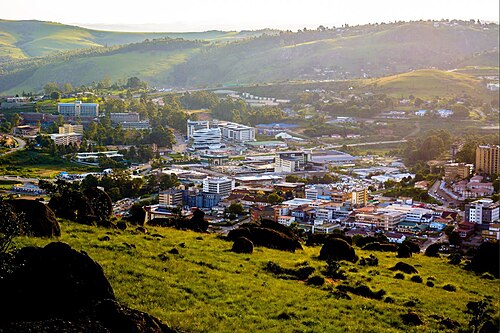
Mbabane is the capital city of Eswatini, formerly known as Swaziland, located in the western part of the country. Nestled in the lush Middleveld region, the city sits at an altitude of approximately 1,200 meters (3,900 feet) above sea level and is surrounded by picturesque hills and valleys. Established in 1902, Mbabane is the largest city in Eswatini and serves as the administrative and economic center of the nation. The city’s name is derived from the local Ndwandwe people and reflects the rich cultural heritage of the area. As a center for governance, it is home to various government ministries, the royal palace, and key national institutions.
Mbabane features a blend of modern and traditional architecture, showcasing its evolving landscape. The city's infrastructure includes a mix of shopping centers, markets, and residential areas. The Mbabane Market is a focal point for commerce, offering local crafts, fresh produce, and traditional delicacies that attract both residents and tourists. The city's vibrant atmosphere is enhanced by its diverse population, drawn from various ethnic groups within Eswatini. As a cultural hub, Mbabane hosts numerous events that celebrate local traditions, including music and dance festivals. The surrounding natural beauty, characterized by the nearby Malolotja Nature Reserve and the Ezulwini Valley, enriches the city's appeal, making it a gateway for ecotourism and outdoor activities. Overall, Mbabane embodies a unique fusion of urban development and natural beauty, reflecting the spirit and resilience of the Swazi people.
Facts about Mbabane
- Mbabane is the capital city of Eswatini, making it one of the most politically significant locations in the country.
- The city was founded in the late 19th century by the Swazi king, Mbandzeni, and is named after the chief Mbabane.
- Mbabane is known for its unique blend of modernity and traditional Swazi culture, which is evident in its architecture and events.
- The city is home to the Swaziland National Museum, which showcases the cultural heritage and history of Eswatini.
- Mbabane hosts the annual Umhlanga Reed Dance, a traditional event that attracts thousands of participants and visitors from around the world.
- The city is situated at a higher elevation compared to other towns in Eswatini, providing a cooler climate and distinct flora and fauna.
- Mbabane features the Mbabane City Hall, a central landmark that serves as a hub for local government and public services.
- The city is located near the scenic Ezulwini Valley, famous for its natural beauty and tourism opportunities, setting it apart from other urban areas.
- Mbabane is known for its vibrant markets, including the Mbabane Market, which offers a variety of local crafts and food unique to the region.
- The city has been recognized for its efforts in promoting sustainable development and green spaces, distinguishing it from more industrialized urban centers.