Mbale, Uganda
- 76,493 people
- 7 places to visit
- 1.0784, 34.181
Places to Visit (7)
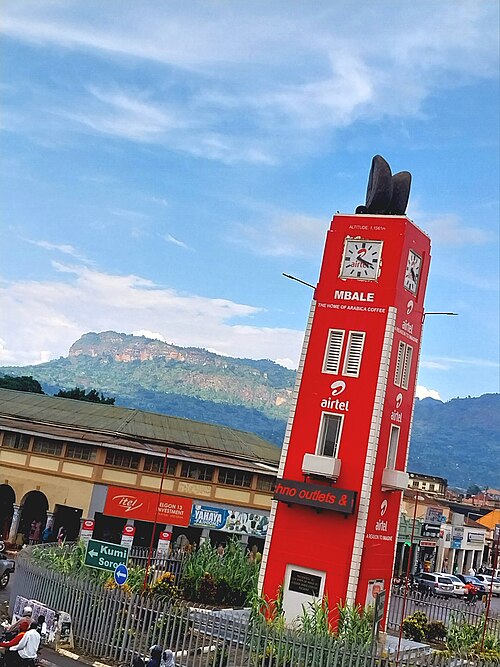
Mbale is a city located in Eastern Uganda, approximately 222 kilometers northeast of Kampala, the capital city. It serves as the administrative center of the Mbale District and is situated at the foot of the spectacular Mount Elgon, an extinct stratovolcano known for its rich biodiversity and unique ecological systems. The city lies at an elevation of about 1,200 meters above sea level, providing a cooler climate compared to many other parts of Uganda. With a population of over 100,000 residents, Mbale is one of the largest urban centers in the region and plays a crucial role in trade, commerce, and education.
The economy of Mbale is primarily agricultural, with the surrounding fertile lands supporting the cultivation of crops such as maize, coffee, potatoes, and bananas. Coffee, in particular, is a significant cash crop in the region, contributing to both local and national economies. The city also hosts a variety of markets and trading centers, facilitating the exchange of goods and services. In addition to agriculture, Mbale has developed a growing formal and informal sector, encompassing businesses ranging from retail shops to small-scale manufacturing. The city is home to several educational institutions, including the Uganda Christian University Mbale Campus and Mbale Secondary School, which contribute to the region’s literacy and skill development.
Mbale is culturally diverse, hosting various ethnic groups such as the Bagisu, Basoga, and Bakiga. This diversity is reflected in the city’s rich traditions and customs, which are celebrated during various cultural events and festivals throughout the year. One of the most notable cultural events is the Imbalu, a circumcision ceremony among the Bagisu people, which occurs every even year and is characterized by traditional music, dance, and feasting. The city is also recognized for its tourist attractions, including the Sipi Falls, which draw visitors for hiking, rock climbing, and eco-tourism. Through these features, Mbale embodies the unique blend of cultural heritage and natural beauty, making it an important destination in Uganda.
Facts about Mbale
- Mbale is known for its proximity to the Sipi Falls, a series of stunning waterfalls that attract tourists and offer opportunities for hiking, rock climbing, and coffee tours.
- The city is located at the base of Mount Elgon, an extinct shield volcano which is one of Uganda's oldest physical features and a popular destination for trekking.
- Mbale hosts the annual 'Mbale Goat Races', a unique and lively event that draws large crowds and showcases the local culture and community spirit.
- The city is recognized as the center of the Bugisu sub-region, famous for its rich culture, traditions, and agricultural produce, particularly Arabica coffee.
- Mbale is home to the largest market in Eastern Uganda, the Mbale Main Market, which is a hub for trade and commerce, featuring a variety of goods from clothing to fresh produce.
- The region around Mbale is famous for its cultural diversity, particularly among the Basoga, Bagisu, and Bakonzo, each contributing unique customs and languages to the area.
- Mbale features the historical 'Namutumba' rock paintings, ancient artwork that provides insight into the area's rich heritage and attracts historians and tourists alike.
- The city is recognized for its significant educational institutions, including Mbale School of Nursing and Midwifery, which contributes to the training of health professionals in the region.
- Mbale has gained prominence as a center for innovation in sustainable agriculture, with various organizations working on projects that promote organic farming practices.
- The city has a unique climate that supports diverse agriculture, thanks to its elevation, making it an ideal location for growing crops like bananas, tea, and coffee.