Mbandaka, DR Congo
- 455,011 people
- 2 places to visit
- 0.0266, 18.2971
Places to Visit (2)
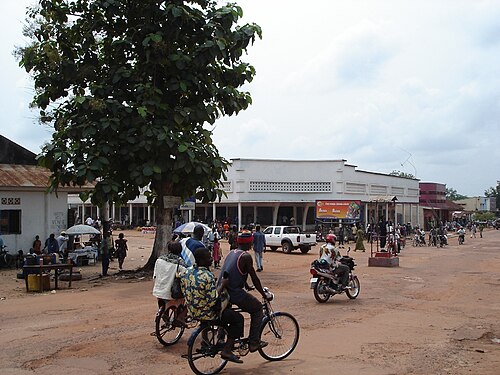
Mbandaka is a city located in the Équateur Province of the Democratic Republic of the Congo (DRC), situated along the Congo River. As the provincial capital, it serves as an essential administrative and commercial center in the region. Mbandaka lies approximately 700 kilometers (about 435 miles) northeast of Kinshasa, the country’s capital, making it a pivotal location for trade and transportation within the DRC's vast interior. The city is characterized by its strategic position at the confluence of several waterways, including the Congo River and various tributaries, enhancing its role as a transportation hub for goods and people.
Historically, Mbandaka was known as Coquilhatville during the Belgian colonial period, a name it held until it was renamed in 1966. The city has a diverse population, with various ethnic groups, including the Mongo people, who are the predominant group in the region. Mbandaka has experienced significant socio-economic challenges, including infrastructure deficits and limited access to healthcare and education. Despite these hurdles, the city benefits from its natural resources, including timber and fish, contributing to local livelihoods. The Edouard National Park, located nearby, adds ecological significance to the area, encompassing rich biodiversity and attracting both local and international visitors.
Mbandaka is also notable for its vibrant cultural life, reflecting the traditions and customs of its inhabitants. The local economy is primarily based on subsistence agriculture, trade, and fishing. However, the city faces ongoing developmental challenges, including high unemployment rates and inadequate public services. Nevertheless, initiatives aimed at improving infrastructure and economic conditions are underway, with the potential to enhance the quality of life for residents. The residents of Mbandaka maintain a resilient spirit, navigating the complexities of life in this unique riverine city, balancing modernization with the preservation of their rich cultural heritage.
Facts about Mbandaka
- Mbandaka is situated at the confluence of the Congo River and the network of tributaries, making it a crucial transportation hub for the region.
- It was formerly known as 'Coquilhatville' during the colonial period, and the city was renamed Mbandaka in 1966, reflecting its indigenous heritage.
- Mbandaka is one of the few cities in the Democratic Republic of Congo that serves as a gateway to the Congo Basin rainforest, one of the largest rainforests in the world.
- The city is home to the Congo River, which is the second-longest river in Africa and plays a significant role in the livelihoods of local communities.
- Mbandaka features unique traditional wooden pirogues used by local fishermen, which are a distinctive cultural representation of the city's heritage.
- The city has a vibrant market scene, notably the Mbandaka central market, which attracts vendors and buyers from surrounding areas, reflecting the economic activities of the region.
- Mbandaka is significant for its proximity to the historical site of the first Congo Free State capital, which played a role in the country's colonial history.
- The city has a distinctive tropical climate, contributing to its lush vegetation and biodiversity, differentiating it from other urban areas in DR Congo.
- Mbandaka hosts the annual 'Festival international de la chanson d'Afrique' (International Festival of African Songs), promoting local music and culture.
- Mbandaka is strategically important for both tourism and conservation efforts, given its access to the pristine natural reserves of the Congo Basin.