Meaux, France
- 53,811 people
- 14 places to visit
- 48.9562, 2.8885
Places to Visit (14)
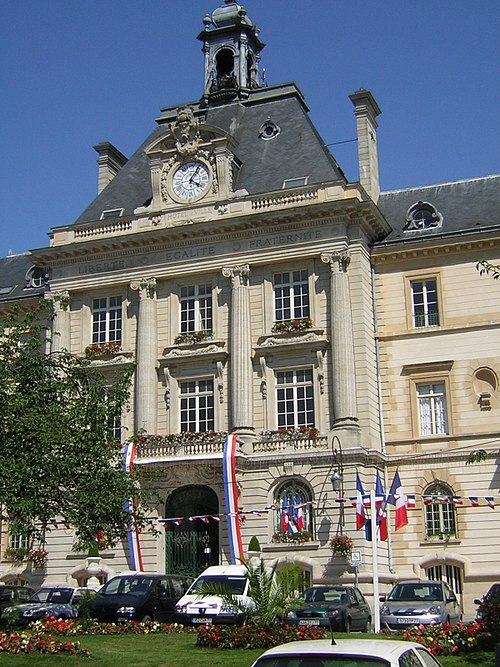
Meaux is a commune located in the Seine-et-Marne department in the Île-de-France region of northeastern France, approximately 40 kilometers (25 miles) east of Paris. Known for its rich history and cultural heritage, Meaux is perched along the banks of the Grand Morin River. With a population of around 55,000 residents, it is the largest city in the department and serves as a significant economic and administrative center in the region. Meaux's strategic position near the capital has contributed to its development over the centuries, from its early roots in the Roman era as a significant settlement known as "Meldre," to becoming an important center for trade and agriculture in the Middle Ages.
The city boasts several notable historical landmarks, including the impressive Cathédrale Saint-Étienne, a landmark of Gothic architecture that dates back to the 13th century. This cathedral is a focal point of the city's skyline and is known for its intricate stained glass windows and remarkable sculptures. Meaux is also famous for its well-preserved medieval ramparts, which serve as a reminder of its fortified past. Among the city's many attractions, the museum of the Great War, opened in 2011, draws visitors interested in the history of World War I, particularly in reference to the 1914 battles in the region. In addition, Meaux is recognized as the birthplace of the renowned Brie de Meaux cheese, a local delicacy that has garnered international acclaim. The local culinary scene, rich in both traditional dishes and innovative gastronomy, reflects the city’s agricultural wealth and commitment to quality produce.
Meaux also benefits from its connectivity to the greater Paris metropolitan area through various transportation options, including the RER commuter train, which offers easy access to the capital and beyond. The city has made efforts to enhance its infrastructure and public services, creating a pleasant environment for both residents and visitors. With its blend of historical charm, cultural offerings, and modern amenities, Meaux maintains a unique character that appeals to tourists and locals alike, making it a notable destination within the Île-de-France region. Whether exploring its historical sites, enjoying local culinary delights, or experiencing its community events, Meaux offers a wealth of experiences for those who visit.
Facts about Meaux
- Meaux is known for its historic Brie cheese, which has been produced in the area since the 8th century, distinguishing it as a central hub for this famous French delicacy.
- The city is home to the Memorial to the Great War, which commemorates the battles fought during World War I, particularly focusing on the Battle of the Marne, nearby.
- Meaux features a beautifully preserved 13th-century cathedral, the Cathédrale Saint-Étienne de Meaux, which showcases a blend of Gothic and Romanesque architectural styles.
- The city was a significant site during the Protestant Reformation in France, with the Assembly of Meaux occurring in 1559, marking a pivotal point in the history of Protestantism.
- Meaux hosts the annual Festival of Brie, celebrating its culinary heritage with tastings, local crafts, and various activities centered around the iconic cheese.
- The city has a rich historical backdrop, having been initially settled by the Roman Empire, with remnants of Roman-era structures still visible.
- Meaux is known for the Meaux Chocolate, produced by local artisans and celebrated for its unique flavor and premium quality, making it a local delicacy.
- The Parc Naturel Régional de la Haute Vallée de Chevreuse is close to Meaux, promoting eco-tourism and outdoor activities, unlike many urbanized cities in France.
- Meaux offers a picturesque old town with charming canals and historic buildings, providing a unique aesthetic distinct from larger urban centers in France.
- The city has a notable history of being an ecclesiastical capital, being the seat of a bishopric since the early Middle Ages, impacting the region's religious influence.