Mecca, Saudi Arabia
- 1,578,722 people
- 14 places to visit
- 21.4241, 39.8173
Places to Visit (14)
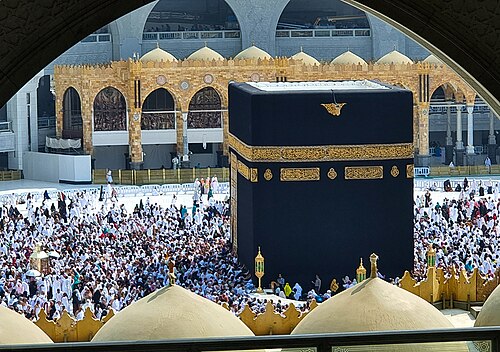
Mecca, a city in Saudi Arabia, holds immense significance for Muslims around the world as it is the birthplace of the Prophet Muhammad and the site of the Kaaba, the most sacred structure in Islam. Located in the western part of the country in the Hejaz region, Mecca serves as the focal point for the Hajj pilgrimage, which is one of the Five Pillars of Islam and must be undertaken by all able-bodied Muslims at least once in their lifetime. Each year, millions of pilgrims converge on the city, particularly during the Islamic month of Dhul-Hijjah, transforming Mecca into one of the most densely populated cities globally during this period. The Kaaba, a cubic structure at the center of the Masjid al-Haram, is encased in black silk and gold, and pilgrims perform the Tawaf, a ritual that involves circling the Kaaba seven times in a counterclockwise direction.
Aside from its religious significance, Mecca has a rich historical background and has been a center of trade and commerce for centuries. It is situated around a small valley with mountainous regions, making its geology unique. The city was historically a hub for caravan trade routes, linking the Arabian Peninsula to other regions, which contributed to its development and prosperity. The economy of Mecca today hinges heavily on religious tourism, with the Saudi government investing significantly in infrastructure, including hotels, transport services, and expansions to the Masjid al-Haram, which is the largest mosque in the world. Despite its religious nature, Mecca is a modern city, featuring a mix of traditional and contemporary architecture, along with amenities that cater to both visitors and residents. However, only Muslims are permitted to enter the city, which further emphasizes its unique status within the Islamic faith and its importance as a spiritual center. With ongoing developments aimed at accommodating the growing influx of pilgrims, Mecca continues to evolve while maintaining its cultural and religious heritage.
Facts about Mecca
- Mecca is considered the holiest city in Islam and is the birthplace of the Prophet Muhammad.
- The Kaaba, located in the Masjid al-Haram, is the most sacred site in Islam where millions of Muslims perform Hajj and Umrah annually.
- Mecca is the only city in the world where non-Muslims are prohibited from entering, making it unique in this aspect within Saudi Arabia.
- The Great Mosque of Mecca (Masjid al-Haram) is the largest mosque in the world and can accommodate millions of worshippers.
- Every year, Mecca hosts the Hajj pilgrimage, which is one of the Five Pillars of Islam and draws over two million participants from around the globe.
- The city has a rich history that dates back several thousand years and was a center for trade and spirituality before the advent of Islam.
- Mecca's modern infrastructure and development have transformed it into a city with advanced amenities specifically catering to pilgrims.
- The Abraj Al Bait Towers, including the Makkah Royal Clock Tower, is one of the tallest buildings in the world and is a significant landmark in Mecca.
- The city plays a central role in Islamic education and has numerous institutes, universities, and seminaries dedicated to religious studies.
- The annual Eid al-Adha celebrations in Mecca coincide with the Hajj, making it a particularly significant time for the local and global Muslim community.