Medan, Indonesia
- 2,435,252 people
- 18 places to visit
- 3.5952, 98.6722
Places to Visit (18)
Medan, the capital of North Sumatra province in Indonesia, is the third-largest city in the country. Established in the 19th century, Medan has grown into a vibrant metropolis and a significant economic center, noted for its diverse demographics and rich cultural heritage. The city is home to a population of over 2.5 million residents, comprising various ethnic groups, including Batak, Javanese, Chinese, andMinangkabau. This diversity is reflected in the local cuisine, languages spoken, and cultural practices, making Medan a microcosm of Indonesia's broader multicultural society.
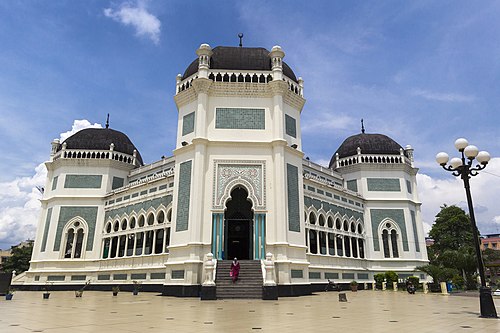
Notably, Medan serves as a vital trade and transportation hub due to its strategic location near the Strait of Malacca, one of the world’s busiest shipping lanes. The city boasts a growing economy driven by agriculture, trade, and manufacturing, with palm oil, rubber, and cocoa being key industries. Furthermore, Medan is recognized for its unique architectural landmarks, including the Maimun Palace, a majestic royal residence built in 1888, and the Grand Mosque of Medan, known for its stunning Moorish design. The vibrant atmosphere extends to local markets, street food stalls, and cultural festivals that celebrate the city’s rich heritage, making Medan an increasingly popular destination for domestic and international tourists.
In addition to its economic and cultural significance, Medan is surrounded by natural beauty, with nearby attractions such as Lake Toba, one of the largest volcanic lakes in the world, and the lush landscapes of Bukit Barisan National Park. These natural sites offer residents and visitors alike opportunities for outdoor activities, including hiking and water sports. As a city undergoing rapid development, Medan blends modern infrastructure with its historical roots, positioning itself as a key player in Indonesia's future while maintaining an appreciation for its rich past.
Facts about Medan
- Medan is the largest city in Sumatra and serves as the capital of North Sumatra, distinguishing it from many other cities in Indonesia that are located on Java.
- The city has a rich cultural diversity, being a melting pot of various ethnic groups such as the Batak, Javanese, and Chinese, which is reflected in its culinary offerings and festivals.
- One of Medan's most famous landmarks is the Maimun Palace, built in 1888 by the Sultanate of Deli, showcasing a unique blend of Malay and colonial architecture.
- Medan is known for its vibrant food scene, particularly the local specialty 'Soto Medan', a unique type of soup that brings together diverse influences and ingredients from the region.
- The capital of North Sumatra, Medan, acts as a major trade and commerce hub in Indonesia, with its strategic location enhancing economic activities in the region.
- Medan is home to the historic Tjong A Fie Mansion, a testament to the city's colonial past and the influence of Chinese culture and business in the region, built in the early 20th century.
- The city hosts the annually celebrated Danau Toba Festival, promoting the culture and tourism of the nearby Lake Toba, which is the largest volcanic lake in the world.
- Medan is a gateway to natural attractions in North Sumatra, including Bukit Lawang and Gunung Leuser National Park, famous for its orangutan populations and rich biodiversity.
- The city has a notable Islamic presence, with the Grand Mosque of Medan (Masjid Raya Medan), which is one of the largest mosques in Indonesia, drawing worshippers and visitors alike.
- Medan is famous for its batak culture and traditional music, offering unique experiences such as the 'Toba Batak' performance, distinguishing it from other Indonesian cities.