Médéa, Algeria
- 145,441 people
- 2 places to visit
- 36.2636, 2.7587
Places to Visit (2)
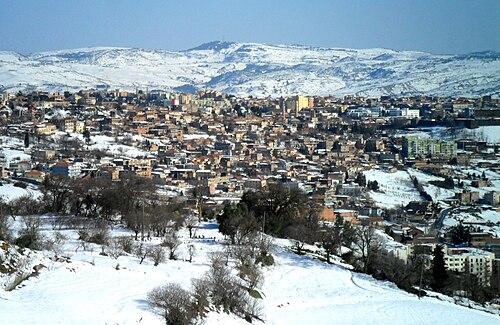
Médéa is a city in Algeria, located approximately 90 kilometers southwest of the capital, Algiers. It serves as the capital of the Médéa Province and plays a significant role in the region’s history and culture. The city is situated at an elevation of around 1,000 meters in the Tell Atlas mountain range, which contributes to its temperate climate, characterized by mild winters and warm summers. Médéa has a population of nearly 140,000 inhabitants, and its economy is primarily based on agriculture, with the fertile surrounding lands producing a variety of crops, including olives, cereals, and vegetables. Additionally, Médéa has some light industry, including textiles and food processing, which contribute to the local economy.
Historically, Médéa has been an important crossing point and a center for trade and communication. The city was founded during the Roman period, originally known as "Céphel." Throughout the centuries, it has witnessed various cultural influences, including Arab, Ottoman, and Berber, which are reflected in its architecture and traditions. Key historical sites include the remnants of Roman ruins and a variety of mosques that illustrate the city’s Islamic heritage. Médéa is also known for its distinctive kasbah, showcasing narrow alleys, traditional houses, and vibrant marketplaces that draw both residents and visitors. Today, Médéa continues to balance its rich historical legacy with the challenges of modern urbanization, making it an intriguing destination for those interested in Algeria's diverse cultural heritage.
Facts about Médéa
- Médéa is known for its remarkable Ottoman architecture, notably the Great Mosque built in the 18th century, which showcases intricate design unique to this region.
- The city was historically significant during the Roman Empire, serving as a strategic location and is home to several ruins from that period, including the ancient site of Timgad nearby.
- Médéa is situated at an elevation of about 1,200 meters (3,937 feet), making it one of the highest cities in Algeria, which contributes to its distinct climate and natural beauty.
- The surrounding region is famous for its production of agricultural goods, particularly olives and cereals, distinguishing Médéa as an important agricultural hub within Algeria.
- Médéa is notable for its vibrant local crafts, particularly handmade carpets and textiles, which reflect a unique blend of Berber and Ottoman influences.
- In the 1950s, Médéa became a center for resistance during the Algerian War of Independence, with many significant events taking place here, contributing to its historical importance.
- The city hosts the annual 'Festival of Sidi Boumediene,' celebrating local traditions, music, and art, which draws visitors from across Algeria and beyond.
- The Marche de Médéa, a traditional market, offers a unique shopping experience, as it is well-known for its fresh produce and local artisanal goods, distinct from larger urban markets.
- Médéa has a rich literary heritage and is associated with several notable Algerian poets and writers, marking its cultural significance in the literary scene of Algeria.
- The region around Médéa is characterized by stunning natural landscapes, including the nearby Djurdjura Mountains, which provide opportunities for hiking and exploration, setting it apart from many other cities in Algeria.