Medellín, Colombia
- 1,999,979 people
- 9 places to visit
- 6.2476, -75.5658
Places to Visit (9)
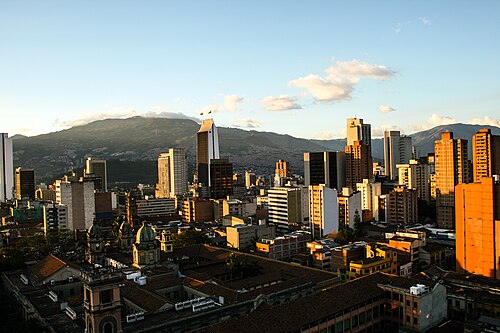
Medellín is the second-largest city in Colombia, located in the Aburrá Valley in the Andes Mountains. Known for its temperate climate, dubbed the "City of Eternal Spring," the city boasts average temperatures ranging from 18 to 28 degrees Celsius (64 to 82 degrees Fahrenheit) year-round. Medellín has a population of over 2.5 million people and serves as a crucial economic and cultural hub in the country. The city has undergone a significant transformation over the past few decades, shifting from a past associated with violence and drug trafficking to a vibrant metropolis recognized for its innovation and social development. This metamorphosis has been accentuated by the use of urban projects, such as the Metrocable system, which connects hillside communities to the city center, and the development of public spaces and libraries that promote social interaction and education.
The culture of Medellín is rich and diverse, reflecting its history and the various influences that have shaped its identity. The city is renowned for its festivals, including the Feria de las Flores, which celebrates the region's floral industry and showcases parades, music, and traditional dances. Museums and galleries, such as the Museo de Antioquia, house significant works by prominent artists, including Fernando Botero, whose unique style has become emblematic of Colombian art. Additionally, Medellín has positioned itself as a center for innovation, nurturing a growing tech sector known as "Silicon Valley of South America." The city's commitment to education and entrepreneurship, combined with public-private partnerships, has attracted investment and talent, further solidifying its reputation as a forward-thinking urban environment.
Despite its impressive progress, Medellín continues to address challenges like inequality and security. Nevertheless, ongoing efforts to enhance community engagement, promote sustainable development, and improve public safety showcase the city’s resilience and commitment to change. Internationally recognized for its social innovation, Medellín serves as a model for urban revitalization and offers compelling insights into how cities can overcome adversity. As a result, it attracts tourists and researchers alike, eager to witness firsthand the dynamic evolution of this once-troubled city that has transformed into a beacon of hope and potential in the heart of Colombia.
Facts about Medellín
- Medellín was once known as the 'murder capital of the world' during the 1990s due to drug-related violence, but it has since transformed into a hub for innovation and social development.
- The city is famous for its annual Feria de las Flores (Flower Festival), which celebrates the region's rich floriculture and includes parades, concerts, and cultural events.
- Medellín is home to the world's first cable car public transportation system, called Metrocable, which connects the city to its hillside communities and provides stunning views of the city.
- The city hosts the Medellín International Festival of Poetry, which attracts poets and literary figures from around the world, promoting culture and arts in the region.
- Medellín has been recognized as one of the most innovative cities in the world, winning the 'World Smart City Award' in 2013 for its urban development and inclusion initiatives.
- The city features the Comuna 13, once one of the most dangerous neighborhoods, now celebrated for its vibrant street art, community-driven projects, and as a popular tourist destination.
- Botero Plaza, located in the city center, is notable for its sculptures by the famous Colombian artist Fernando Botero, making it a unique cultural landmark in Medellín.
- Medellín is known for its year-round pleasant weather, often referred to as the 'City of Eternal Spring' due to its mild temperatures and lush landscapes.
- The city is a significant hub for coffee production and hosts the annual Medellín Coffee Festival, celebrating its rich coffee culture and attracting visitors from across the country.
- Medellín's intelligent transportation system, including its metro and integrated bus systems, makes it one of the most efficient and user-friendly transit systems in Colombia.