Medicine Hat, Canada
- 63,138 people
- 15 places to visit
- 50.029, -110.7032
Places to Visit (15)
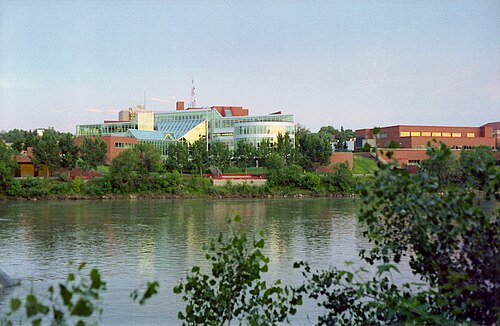
Medicine Hat is a city located in southeastern Alberta, Canada, situated along the South Saskatchewan River. Known for its favorable climate, it boasts a semi-arid weather pattern that generally features warm summers and mild winters. The city, founded in 1883, has a population of approximately 63,000 residents, making it one of Alberta's larger urban centers. Medicine Hat derives its name from a Native American legend concerning a sacred medicine hat, a ceremonial object that symbolizes protection and prosperity. The area was historically inhabited by Indigenous peoples, including the Assiniboine and the Saulteaux tribes, and later became a significant location for European settlers.
The economy of Medicine Hat has traditionally been based on agriculture, oil and gas production, and manufacturing. The region's fertile soil supports the cultivation of a variety of crops, while its natural gas reserves have contributed to the city’s industrial development. Medicine Hat is also known for its rich history in the natural gas industry and was once home to the world’s largest natural gas field. Today, the city offers a diverse economy that has diversified in recent decades to include retail, healthcare, and tourism. Notably, the city is often referred to as the "Sunshine Capital of Canada" due to its abundant sunshine, making it an attractive destination for outdoor activities and events.
Culturally, Medicine Hat boasts a vibrant arts scene, with numerous galleries, theaters, and festivals celebrating local talent and heritage. The city is home to the Medicine Hat College, which offers various educational programs and contributes to the city's youthful demographic. Outdoor enthusiasts can enjoy a multitude of recreational activities in the area's parks, such as the scenic Kin Coulee Park and the nearby Cypress Hills Provincial Park. Medicine Hat also features several historical sites and attractions, including the historic Medicine Hat Canada Southern Railway Station and the Saamis Tepee, one of the tallest tepees in the world. This blend of natural beauty, cultural richness, and economic vitality makes Medicine Hat a unique and dynamic city in the Canadian landscape.
Facts about Medicine Hat
- Medicine Hat is known as the 'Gas City' because it has one of the largest natural gas reserves in Canada, and its history is deeply linked to the natural gas industry.
- The city's name is derived from the Medicine Hat Indigenous people, and it translates to 'where the Medicine Hat (or ceremonial headdress) is located'.
- Medicine Hat is home to the world's tallest teepee, which stands at 7 stories high and is a unique landmark at the Medicine Hat Exhibition & Stampede grounds.
- The city’s climate is classified as semi-arid, making it one of the sunniest Canadian cities with about 320 days of sunshine each year.
- Medicine Hat boasts a rich history of the cowboy culture, evidenced by its annual Medicine Hat Exhibition & Stampede, which has been running since 1887.
- The city has a vibrant arts scene and is home to the Medicine Hat Clay Industries National Historic District, highlighting its historical significance in the clay industry.
- Medicine Hat is also notable for its unique and expansive public parks system, including the 19-kilometer-long Echo Dale Regional Park, which offers a blend of natural beauty and recreational opportunities.
- It has one of the largest outdoor mural collections in Canada, reflecting the city’s commitment to public art and community engagement.
- The city is recognized as a hub for cultural diversity and hosts the Medicine Hat Multicultural Association, focused on celebrating various cultures in the community.
- The historic Esplanade Arts and Heritage Centre in Medicine Hat combines a museum, art gallery, and theater, showcasing the city’s commitment to arts and culture.