Medina del Campo, Spain
- 21,540 people
- 3 places to visit
- 41.3109, -4.9139
Places to Visit (3)
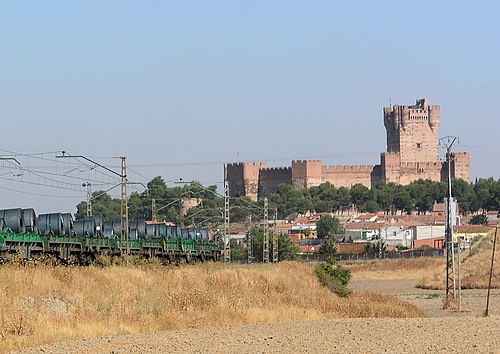
Medina del Campo is a historic town located in the province of Valladolid, within the autonomous community of Castile and León, in northwestern Spain. Its geographical position, situated between Madrid and the northern regions of Spain, has contributed to its significance as a commercial hub since the Middle Ages. The town’s origins trace back to the Roman era, but it flourished during the 15th century, primarily due to its fairs and markets, which attracted merchants from all over Europe. This period of economic prosperity laid the foundations for many of the architectural and cultural developments seen in the town today.
Visitors to Medina del Campo can explore its rich historical heritage, characterized by a blend of Gothic, Renaissance, and Mudejar influences. One of the town’s most iconic landmarks is the Palacio Real Testamentario, a Renaissance palace built in the late 15th century. This palace served as the residence of Queen Isabella I of Castile and is notable for its well-preserved rooms and striking architecture. Additionally, the town is home to the Castillo de la Mota, a formidable fortress that showcases impressive defensive structures and offers panoramic views of the surrounding area. The historical center retains several churches, monasteries, and traditional Spanish Gothic buildings, demonstrating the town’s architectural diversity and significance.
Cultural events also play a crucial role in Medina del Campo's identity. The town celebrates various festivals throughout the year, including the Semana Santa (Holy Week), which features religious processions that draw visitors and locals alike. The Feria de Mediavilla, a medieval fair that takes place annually, vividly recreates medieval life through performances, market stalls, and activities, immersing both participants and spectators in the rich tapestry of the town’s past. Medina del Campo combines historical significance with vibrant cultural life, making it a noteworthy destination for those interested in Spain's heritage.
Facts about Medina del Campo
- Medina del Campo is home to the historic Royal Palace of La Mota, a 15th-century fortress known for its impressive architecture and strategic importance during the Wars of the Spanish Succession.
- The city's annual Feria de Medina del Campo is one of the oldest in Spain, tracing its origins back to the 15th century, showcasing traditional crafts, local produce, and cultural events.
- Medina del Campo played a crucial role in the Spanish wool trade, particularly during the Middle Ages, earning it the nickname 'the city of wool.'
- The town is famous for its local dish called 'Lechazo,' a roasted suckling lamb that is a staple of the region's cuisine and contributes to its culinary reputation.
- Medina del Campo hosts the Convent of San José, founded by Saint Teresa of Ávila in 1569, which marks an important site in the history of the Spanish Discalced Carmelites.
- The city's Plaza Mayor features a unique mix of Gothic and Renaissance architecture, making it a significant cultural and social hub for the local community.
- Medina del Campo is known for its vibrant textile industry, particularly fine woolen products that have been produced in the region for centuries.
- The city's annual Medieval Festival recreates the atmosphere of the Middle Ages with historical reenactments, artisan markets, and traditional music, attracting many visitors.
- Medina del Campo is strategically located at the intersection of major routes, making it a vital commercial center historically, which has influenced its development and growth.
- The Spanish playwright Calderón de la Barca was born in Medina del Campo, contributing to the city's rich cultural heritage and literary significance.