Meiktila, Myanmar
- 177,442 people
- 4 places to visit
- 20.8766, 95.8602
Places to Visit (4)
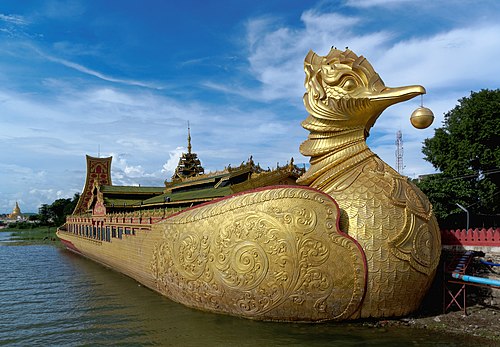
Meiktila is a city situated in the Mandalay Region of Myanmar, approximately 130 kilometers south of Mandalay, the country's second-largest city. It serves as the administrative center of Meiktila District and is located at the crossroads of several important trade routes, which enhances its economic significance. Meiktila is particularly known for its extensive freshwater lake, Lake Meiktila, which covers around 2.5 square miles and is a pivotal resource for the local populace. Historically, Meiktila has been known for its agricultural activities, mainly rice farming, owing to the fertile land in the region. The city also boasts a variety of local markets and businesses that contribute to its vibrant economy.
Culturally, Meiktila has a diverse demographic, comprising various ethnic groups, including Bamar, Shan, and others, making it a reflection of Myanmar's multicultural landscape. The city is home to significant Buddhist sites, with numerous pagodas and monasteries dotting the landscape, which attract both local and international tourists. Among these, the Meiktila Pagoda is a notable landmark. The city gained international attention during the 2013 communal unrest, which highlighted underlying tensions among different communities. Despite this, Meiktila has continued to maintain its significance within Myanmar, balancing its rich traditions with the challenges of modernization. In recent years, local authorities and communities have been working towards rebuilding and fostering unity in the region, promoting peace and economic development.
Facts about Meiktila
- Meiktila is known for its historic significance as a center of Buddhist learning and has a number of ancient pagodas and monasteries.
- The city is uniquely situated around Meiktila Lake, which is a focal point for recreational activities and local culture.
- Meiktila has a diverse population, with ethnic communities including Bamar, Chinese, and Shan, contributing to its rich cultural tapestry.
- The Meiktila Region played a pivotal role during World War II as a strategic location for both Allied and Japanese forces.
- The city hosts the annual Meiktila Water Festival, a vibrant celebration featuring traditional music, dance, and local cuisine.
- Meiktila is famous for its unique style of pottery, known as 'Meiktila pottery', which is distinguished by its intricate designs and craftsmanship.
- The Meiktila Railway Station is an important transportation hub connecting it to other major cities in Myanmar, offering scenic views along the journey.
- Meiktila is celebrated for its agricultural products, particularly rice, which is a vital part of the local economy and cuisine.
- The city has a number of significant cultural sites, including the Minyaung Pagoda which dates back several centuries and is renowned for its architecture.
- Meiktila gained international attention due to the 2013 communal unrest, which highlighted the challenges of ethnic diversity in Myanmar.