Meknes, Morocco
- 568,295 people
- 10 places to visit
- 33.873, -5.5407
Places to Visit (10)
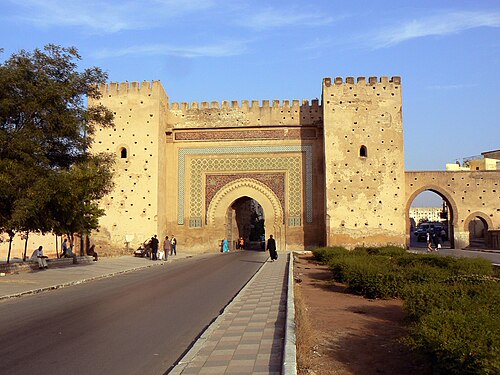
Meknes, one of Morocco's imperial cities, is situated in the northern part of the country, approximately 130 kilometers east of the Atlantic coast. This city boasts a rich historical significance and is known for its impressive architectural heritage, which reflects the grandeur of the Alaouite Dynasty, particularly during the reign of Sultan Moulay Ismail in the late 17th and early 18th centuries. Meknes served as the capital of Morocco for a brief period and is distinguished by its well-preserved medina, a UNESCO World Heritage site, characterized by its towering walls, ancient gates, and intricate mosaics. The city's strategic location along historical trade routes contributed to its economic importance and cultural diversity, with influences from various civilizations over the centuries.
Meknes is home to numerous notable landmarks, including the monumental Bab Mansour gate, which is one of the most celebrated entrances in Morocco, adorned with intricate tile work and carved stone. The Heri es-Souani, an impressive granary and royal stables complex, showcases the architectural prowess of the era, with massive vaulted halls designed to accommodate thousands of horses and stored grain reserves. The city also hosts the Mausoleum of Moulay Ismail, a significant religious site that attracts both locals and tourists, celebrated for its stunning Moroccan craftsmanship. The vibrant souks (markets) of Meknes, renowned for their artisanal goods such as leather products, ceramics, and textiles, add to the city's charm and create a lively atmosphere that captures the essence of Moroccan culture. Today, Meknes continues to be a vital cultural center, drawing visitors eager to explore its historical richness while maintaining its traditional Moroccan lifestyle.
Facts about Meknes
- Meknes was the capital of Morocco during the reign of Sultan Moulay Ismail in the 17th century, making it a historical counterpart to Marrakesh and Fez.
- The city is known for its impressive monumental gates, particularly the Bab Mansour, which is often regarded as one of the most beautiful in Morocco.
- Meknes is home to the Heri es-Souani, a large granary and royal stable built by Sultan Moulay Ismail, which showcased advanced architectural techniques of the time.
- The city features a UNESCO World Heritage site, recognized for its historical significance and well-preserved architecture, which includes palaces, gardens, and mosques.
- Meknes is famous for its vibrant souks (markets) that offer unique artisanal products, including leather goods and traditional Moroccan handicrafts.
- The city's blend of architectural styles, including Islamic, Baroque, and European influences, sets it apart from other Moroccan cities.
- Meknes is less crowded than Fez and Marrakesh, providing a more relaxed atmosphere for exploring Moroccan culture and history.
- Meknes hosts the annual Festival of World Sacred Music, attracting artists and audiences globally, celebrating multiculturalism and harmony.
- The town is known for its proximity to the Roman ruins of Volubilis, one of the best-preserved archaeological sites in Morocco and a UNESCO World Heritage site.
- Meknes is famous for its delicious local cuisine, especially dishes like fried sardines and tagines, which feature fresh ingredients from the surrounding agricultural regions.