Melilla, Spain
- 86,384 people
- 8 places to visit
- 35.2943, -2.9526
Places to Visit (8)
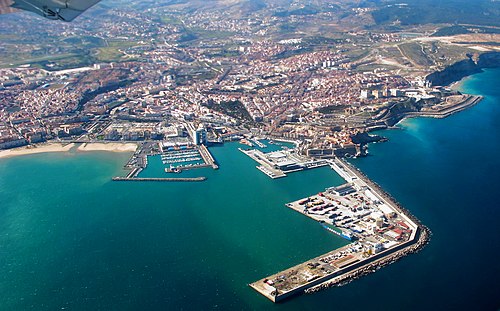
Melilla is an autonomous city located on the northeastern coast of Africa, bordered by the Mediterranean Sea and surrounded by Morocco. It is one of two Spanish enclaves on the African continent, the other being Ceuta. Melilla covers an area of approximately 12.3 square kilometers and has a population of around 85,000 inhabitants. The city is characterized by its multicultural demographic, which includes Spanish, Berber, Arab, and other communities, reflecting its long history as a trading post and point of convergence for various cultures. The city has been under Spanish rule since 1497 when it was captured from the Sultan of Morocco, making Melilla a symbol of Spain's colonial past.
The economy of Melilla is largely based on trade, tourism, and fishing. Its strategic position as a port city facilitates trade with both Europe and Africa, and it benefits from a special economic status that allows for tax advantages and economic incentives, attracting businesses and investment. Tourism plays a significant role in its economy, drawing visitors to its historical sites, such as the old walled city, Fortín de la Victoria, and the beautiful coastline featuring sandy beaches. The city also boasts a rich cultural heritage with numerous festivals and traditions that reflect its diverse population, including the Melilla Fair, which celebrates local customs and attracts thousands of visitors each year.
Melilla's unique geographical and cultural position presents both opportunities and challenges. As a gateway between Europe and Africa, it faces issues related to migration and border control, with many individuals attempting to cross into the Spanish mainland. The city has fortified its borders in response to these challenges, resulting in a complex dynamic with neighboring Morocco. Additionally, Melilla's status as an autonomous city within Spain grants it a level of self-governance; however, it remains politically and administratively connected to the Spanish government. Despite its challenges, Melilla continues to thrive, serving as a vibrant example of cultural diversity and historical significance in the context of Spanish and North African relations.
Facts about Melilla
- Melilla is one of two Spanish autonomous cities located on the North African coast, the other being Ceuta.
- The city has a unique blend of cultures, influenced by Berber, Spanish, Arab, and Jewish communities, which contributes to its distinctive cultural tapestry.
- Melilla is known for its well-preserved modernist architecture, including numerous buildings designed by the architect Enrique Nieto, earning it the nickname 'the city of modernism.'
- Unlike most other Spanish cities, Melilla has no historical connection to the Spanish Reconquista, as it was already part of the Spanish Empire by that time.
- The city is home to the only significant natural harbor in the area, making it an important strategic port for trade and military purposes.
- Melilla has a unique border with Morocco that is heavily fortified, being one of the few land borders between the EU and a non-EU country.
- The annual Fiesta de la Virgen de la Victoria, celebrating the patron saint of Melilla, includes historical reenactments and traditional activities, highlighting the city's cultural heritage.
- Melilla is home to the unique Melilla Wall, a historical fortification that has been declared a Cultural Heritage Site, showcasing its military history.
- The city boasts the Melilla-Melilla’s Natural Park, an area rich in biodiversity, making it a crucial ecological zone in the region.
- Melilla holds a diverse gastronomic scene, featuring dishes influenced by North African, Mediterranean, and Spanish cuisines, making it unique compared to many other Spanish cities.