Melito di Napoli, Italy
- 36,933 people
- 7 places to visit
- 40.921, 14.2313
Places to Visit (7)
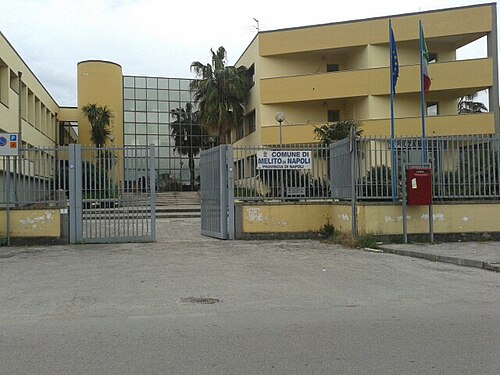
Melito di Napoli is a town and comune located in the Metropolitan City of Naples, Campania, Italy. Nestled in the northern part of the metropolitan area, it lies approximately 8 kilometers northeast of the historic city of Naples. With a population of around 30,000 residents, Melito di Napoli has a diverse demographic that reflects the broader cultural tapestry of the region. The town is characterized by a mix of residential and commercial areas, interspersed with green spaces, which contribute to its appeal as a suburban community.
The history of Melito di Napoli is rich and complex, with roots that trace back to ancient settlements. Initially part of the territory of Neapolis, it has evolved significantly over the centuries. Its development was influenced by its proximity to Naples, leading to an urban expansion that has incorporated various amenities and services to accommodate its growing population. The local economy is bolstered by its strategic location near major transportation routes, making Melito an accessible point for commuters working in Naples and surrounding areas.
In addition to its residential characteristics, Melito di Napoli is noted for its cultural heritage, featuring several religious and historical sites. The town hosts annual festivals that celebrate local traditions and community spirit, attracting visitors and fostering a sense of pride among residents. The local cuisine further enriches its cultural identity, with traditional dishes reflective of Campanian culinary heritage. Overall, Melito di Napoli represents a vibrant community that balances modern living with deep-rooted historical influences, making it an integral part of the Naples metropolitan area.
Facts about Melito di Napoli
- Melito di Napoli was founded in the 8th century and has strong ties to both ancient Greek and Roman history.
- The city is known for its unique blend of modern urban living and historical architecture, featuring structures from various periods.
- Melito di Napoli hosts the 'Festa di San Giuseppe', a significant local festival celebrating St. Joseph with traditional food and community events.
- The city is part of the metropolitan area of Naples and is often overlooked by tourists, offering a more authentic Italian experience.
- Melito di Napoli is home to a significant number of small, family-run businesses, reflecting the city's strong local economy and community spirit.
- The area around Melito is rich in agricultural land, producing local specialties like tomatoes, olives, and wine.
- Melito di Napoli has a historical connection to the famous Italian composer Giuseppe Verdi, who spent time in the area during his travels.
- The city's location provides easy access to nearby beaches and the stunning landscapes of the Campania region.
- Melito di Napoli features the 'Parco della Resistenza', a public park dedicated to the memory of those who fought for freedom during World War II.
- The local cuisine of Melito di Napoli is distinct, with traditional dishes that often incorporate recipes passed down through generations, differing slightly from the well-known Neapolitan style.