Melle, Germany
- 46,514 people
- 11 places to visit
- 52.2033, 8.3373
Places to Visit (11)
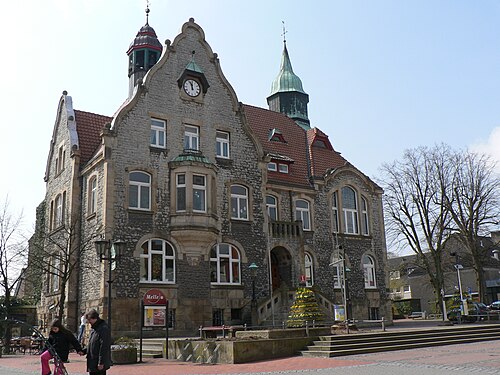
Melle is a charming town located in the Lower Saxony region of Germany, approximately 30 kilometers southwest of the city of Osnabrück. With a population of around 50,000 residents, Melle is known for its picturesque landscapes, vibrant community, and historical significance. The town lies at the meeting point of several major transportation routes, making it an accessible destination for both residents and visitors. Melle's origins date back to the early Middle Ages, and it has a rich cultural heritage, reflected in its architecture and local traditions. The town is characterized by a blend of modern and historical elements, with notable landmarks including the impressive St. Matthew's Church, which features Gothic and Romanesque styles, and the Melle Castle, a former noble residence that has been transformed into a venue for community events.
Economically, Melle benefits from a diverse mix of industries, including manufacturing, trade, and services. The town has seen steady growth, supported by its strategic location and infrastructure. Several local businesses and SMEs contribute to the job market, while agriculture also plays a significant role in the region’s economy. Melle is surrounded by fertile agricultural land, which enhances the rural charm of the area. The community is actively engaged in promoting local events and activities, fostering a sense of belonging among its residents. Cultural events, markets, and festivals celebrate the town's rich traditions and provide opportunities for social interaction and tourism.
Melle's natural surroundings are a significant draw for outdoor enthusiasts, with numerous hiking and cycling trails that meander through scenic landscapes, forests, and fields. The town is also home to various parks and recreational facilities that cater to residents and visitors alike. Melle's commitment to environmental sustainability is evident in its initiatives to maintain green spaces and promote eco-friendly practices. With its blend of history, economic vitality, and beautiful natural scenery, Melle offers a pleasant experience for those seeking to explore a quintessential German town.
Facts about Melle
- Melle is known for its rich history that dates back to the early medieval period, with evidence of settlements from around the 12th century.
- The city features the historic Melle Castle (Schloss Melle), which dates back to the 17th century and showcases the architectural styles of the time.
- Melle is located in the region of Lower Saxony and serves as a gateway to the scenic Teutoburg Forest, making it a popular spot for outdoor enthusiasts.
- The city is home to the 'Meller Markt', a traditional market that takes place weekly, offering local produce, crafts, and cultural experiences unique to the region.
- Melle has a unique geological feature known as the 'Meller Moor', a significant nature preserve that attracts nature lovers and researchers alike.
- The annual 'Meller Musiksommer' festival celebrates music and culture, bringing together local and international artists for concerts and performances.
- Melle hosts one of the oldest breweries in the region, known for its traditional brewing methods and local beer varieties.
- The city's botanical garden, the 'Botanischer Garten Melle', showcases an array of native and exotic plants, distinguishing it from other urban parks in Germany.
- Melle has a well-regarded local school system, including several innovative programs focused on science and technology, contributing to the city’s reputation for education.
- The city is part of the Melle-Hütthausen cooperative, which fosters regional development and tourism through an emphasis on traditional craftsmanship and local history.