Mendoza, Argentina
- 114,893 people
- 12 places to visit
- -32.8895, -68.8458
Places to Visit (12)
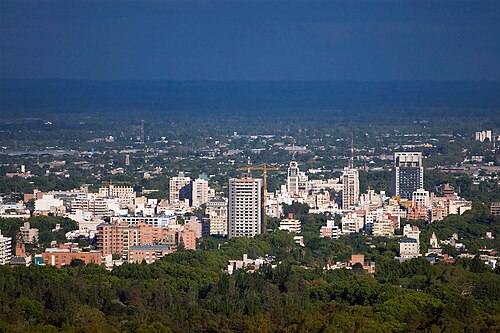
Mendoza is a vibrant city located at the foothills of the Andes Mountains in Argentina, known for its rich cultural heritage and status as a primary wine-producing region. Founded in 1561 by Spanish explorer Pedro del Castillo, the city has evolved into a bustling center of commerce and tourism. With a population of approximately 1 million in the wider metropolitan area, Mendoza is the capital of Mendoza Province and serves as a gateway to the Andes, attracting adventure seekers and nature lovers alike. The city is distinguished by its charming plazas, tree-lined streets, and an array of parks, most notably the General San Martín Park, which encompasses a large lake, gardens, and recreational facilities.
Mendoza is internationally recognized for its Malbec wines, owing to its unique geographical conditions, including distinct climate variations, altitude, and soil types. The region boasts numerous vineyards and wineries, many of which offer tours and tastings, contributing significantly to both the local and national economy. The annual harvest festival, Fiesta Nacional de la Vendimia, celebrates the grape harvest and attracts thousands of visitors who enjoy vibrant parades, concerts, and gourmet cuisine. In addition to wine tourism, Mendoza is also renowned for outdoor activities such as skiing, hiking, and mountaineering, particularly in the nearby Aconcagua Provincial Park, which is home to the highest peak in South America, Mount Aconcagua. With its blend of cultural richness, natural beauty, and culinary delights, Mendoza continues to captivate visitors from around the world.
Facts about Mendoza
- Mendoza is renowned as the wine capital of Argentina, famous for its Malbec wines and representing over 70% of the country's wine production.
- The city is located at the foothills of the Andes Mountains, offering stunning views and opportunities for outdoor activities such as hiking and skiing in nearby resorts.
- Mendoza hosted the first Trans-American Wine Route in the world, established in 1993, which integrates various wineries and vineyards across the region.
- The city has a unique irrigation system built by indigenous people, which utilizes melting snow from the Andes to irrigate vineyards and agriculture, a practice still in use today.
- Mendoza is home to the largest wine festival in the world, the Fiesta Nacional de la Vendimia, celebrated annually in March with parades, concerts, and the crowning of the Harvest Queen.
- The city experienced a significant earthquake in 1944, which led to the reconstruction of most buildings and the introduction of stricter building codes to enhance safety.
- Mendoza is known for its beautiful park system, with Parque General San Martín being one of the largest urban parks in Argentina, featuring lakes, gardens, and monuments.
- Mendoza has a semi-arid climate, which is ideal for grape cultivation, with warm days and cool nights that contribute to the quality of its wines.
- The city is often used as a base for travelers exploring the high Andes, including Aconcagua, the highest peak in the Americas and a popular destination for mountaineers.
- Mendoza celebrates its cultural diversity, reflected in numerous festivals that showcase traditional music, dance, and cuisine, attracting tourists and locals alike.