Mérida, Venezuela
- 300,000 people
- 9 places to visit
- 8.5698, -71.1805
Places to Visit (9)
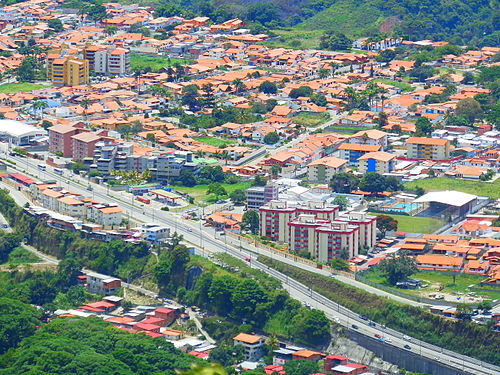
Mérida is a city located in the Andean region of Venezuela, serving as the capital of the Mérida State. Founded in 1558 by Spanish explorer Juan Rodríguez Suárez, the city is situated at an elevation of approximately 2,300 meters (7,546 feet) above sea level, making it one of the highest cities in the country. This mountainous setting contributes to its temperate climate, characterized by cool temperatures and frequent rainfall, which starkly contrast with the tropical climate found in much of Venezuela. The city is known for its vibrant cultural scene, boasting a mix of colonial architecture and modern urban development. It is also recognized for its educational institutions, notably the Universidad de Los Andes, one of the oldest and most prestigious universities in Venezuela, which significantly influences the local economy and culture.
Mérida is often referred to as the "City of Eternal Spring" due to its pleasant climate, which makes it an attractive destination for both tourists and residents. The city's natural surroundings offer a wealth of outdoor activities, including hiking, mountain climbing, and horseback riding, particularly in the nearby Sierra Nevada National Park, which is home to Venezuela's highest peaks. The region is also famed for its biodiversity, featuring numerous endemic species of flora and fauna. Mérida's annual Festival of the Ferias del Sol celebrates the region's rich traditions, attracting visitors with cultural events, music, dance, and local cuisine. This emphasis on cultural heritage and natural beauty positions Mérida as a significant spot for tourism in Venezuela, despite the challenges posed by the nation's broader socio-political landscape. As a center of education, culture, and natural attractions, Mérida continues to play a crucial role in the fabric of Venezuelan life.
Facts about Mérida
- Mérida is home to the highest cable car in the world, the Mérida cable car, which ascends to Pico Espejo, reaching an elevation of 4,765 meters (15,633 feet).
- The city is known for its rich cultural life, hosting the International Festival of Theater and various music festivals annually.
- Mérida is situated in the Andes mountain range and is recognized for its stunning natural landscapes, including the Sierra Nevada National Park.
- The city has a strong tradition of education and is home to the Universidad de los Andes, one of the oldest and most prestigious universities in Venezuela.
- Mérida's climate is notably cooler than much of Venezuela due to its elevation, offering a year-round spring-like atmosphere.
- The city serves as a gateway to numerous adventure sports, including paragliding, rock climbing, and trekking in the pristine Andean outdoors.
- Mérida is also known for its historic architecture, including the iconic Plaza Bolívar and the Cathedral of Mérida, which dates back to the 19th century.
- The region is famous for its local gastronomy, particularly the production of cheese and dairy products, reflecting the agricultural practices in the area.
- Mérida frequently serves as a base for exploring the surrounding Andean towns, which feature traditional arts and crafts.
- The city has a vibrant student population, contributing to a lively atmosphere filled with cafes, bars, and diverse cultural events.