Mesagne, Italy
- 26,497 people
- 6 places to visit
- 40.5577, 17.8098
Places to Visit (6)
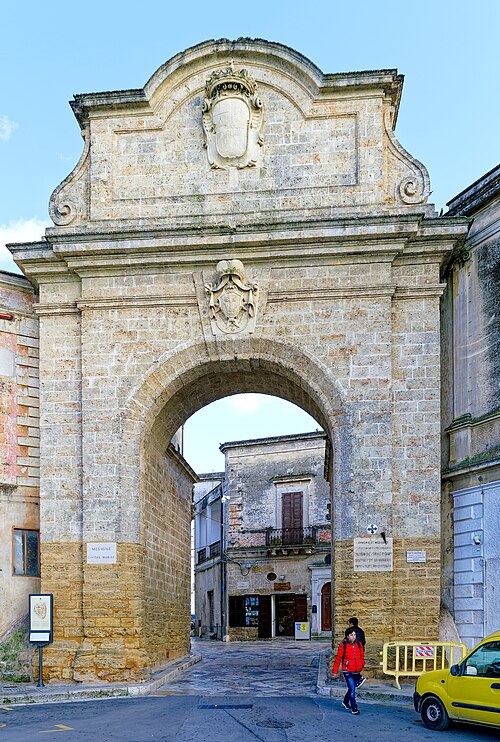
Mesagne is a charming city located in the province of Brindisi, in the Puglia region of southern Italy. Known for its rich history and cultural heritage, Mesagne has origins that date back to prehistoric times, although it is most famously associated with the Messapians, an ancient Italic tribe. The town is strategically positioned on the Salento peninsula, offering picturesque views of the surrounding countryside and proximity to the Adriatic Sea. Its position made it a significant settlement throughout various historical periods, including Roman, Byzantine, and medieval times.
Visitors to Mesagne can explore a number of notable landmarks that reflect its heritage. The historic center features a labyrinth of narrow streets lined with ancient stone buildings, some of which date back to the Middle Ages. Of particular interest is the Castle of Mesagne, a fortress constructed in the 13th century, which showcases a mix of architectural styles due to various renovations and expansions over the centuries. The impressive Church of Madre di God is another highlight; built in the 18th century, it boasts beautiful Baroque architecture and houses notable artwork. The city also celebrates its cultural identity through numerous festivals, including the traditional “Festa di San Rocco,” where locals and visitors participate in processions and celebrations.
Mesagne's economy is primarily based on agriculture, with olive oil and wine being critical components. The fertile land surrounding the city supports the cultivation of various crops, including grapes, tomatoes, and vegetables, contributing to the region's renowned gastronomy. The local cuisine is characterized by its use of fresh, seasonal ingredients, and traditional dishes reflect the flavors of Puglia. As tourism continues to grow, Mesagne has garnered attention for its blend of historical significance, culinary delights, and charming landscapes, making it an appealing destination for travelers seeking to experience the authentic spirit of southern Italy.
Facts about Mesagne
- Mesagne is known for its rich history, with archaeological evidence suggesting that the area has been inhabited since the Paleolithic era.
- The city's castle, Castello Normanno-Svevo, was originally built in the 11th century and stands as a testament to the Norman and Swabian architecture that influences the town's skyline.
- Mesagne is home to the ancient Romanesque-style Church of Santa Maria del Carmine, which dates back to the 12th century and features beautiful frescoes.
- The town hosts a unique annual event called 'Festa di San Rocco,' dedicated to its patron saint, which includes religious processions, music, and traditional local food.
- Mesagne boasts a vibrant local craft scene, particularly known for its production of hand-painted ceramics that showcases traditional Apulian artistry.
- The city is strategically located near the ancient Roman city of Brindisi, which was a major port in antiquity, making Mesagne a key area for trade and transport.
- Mesagne is part of the 'Città della Ceramica' (Cities of Ceramics) network, emphasizing its cultural and artistic significance in ceramic production.
- The town has preserved its medieval urban layout, featuring narrow streets and ancient buildings that reflect its historical evolution.
- The surrounding area of Mesagne is recognized for its quality olive oil, integral to the local economy and culinary traditions.
- Mesagne celebrates the 'Carnevale' festival with a unique flair, featuring colorful parades and traditional masks that reflect the cultural heritage of the region.