Mexicali, Mexico
- 1,032,686 people
- 12 places to visit
- 32.6245, -115.4523
Places to Visit (12)
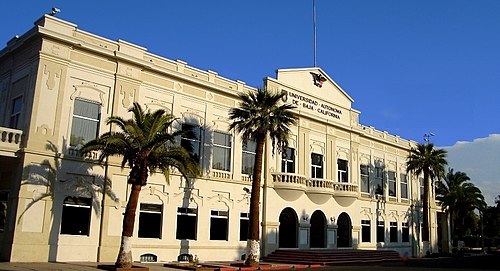
Mexicali is the capital city of the northern Mexican state of Baja California. Founded in 1903, it is strategically located near the United States-Mexico border, directly opposite Calexico, California. With a population exceeding one million residents, Mexicali is one of the largest cities in Baja California and serves as a vital economic and cultural hub. The city’s economy is characterized by a strong industrial sector, including manufacturing and agriculture, particularly due to the fertile land along the Colorado River. Mexicali is often referred to as the "City of Peace" and is known for its booming maquiladora industry, which began in the 1960s when foreign companies established assembly plants to take advantage of lower labor costs.
Celebrated for its diverse cultural heritage, Mexicali is home to a mix of influences, primarily due to the migration of Chinese immigrants in the early 20th century, which led to a notable Chinese community. Hence, food and festivals reflect this blend, with culinary offerings ranging from traditional Mexican dishes to unique Chinese-Mexican fusion cuisine such as the famous "Chinesse tacos." The city also hosts various annual events, such as the Mexicali Fair and the International Mariachi Festival, showcasing its vibrant culture and traditions. The climate in Mexicali is characterized by hot summers and mild winters, making it one of the warmest cities in Mexico, with a significant amount of sunshine year-round.
As a border city, Mexicali plays a crucial role in cross-border trade and commerce, serving as a gateway for goods and people traveling between Mexico and the United States. Its strategic location has facilitated the development of transportation infrastructure, including highways and railroads, further enhancing its economic significance. Despite facing challenges such as urban development pressures and water scarcity, Mexicali continues to grow and evolve, maintaining its identity as a key player in both regional and national contexts. The city is also recognized for its higher education institutions, such as the Autonomous University of Baja California, contributing to the region's educational landscape. Overall, Mexicali is a dynamic city that embodies a rich cultural tapestry and an industrious spirit, central to the identity of Baja California.
Facts about Mexicali
- Mexicali is known as the 'Capital of the State of Baja California' and serves as an important cultural and economic center in the region.
- The city is home to the largest population of Chinese heritage in Mexico, with a vibrant Chinatown that reflects this unique cultural influence.
- Mexicali hosts the annual 'Feria del Algodón' (Cotton Fair), which celebrates the city's historical significance in cotton production and agriculture.
- The city is located directly across the border from Calexico, California, making it a key point of entry between the two countries and a hub for cross-border trade.
- Mexicali's cuisine is renowned for its street food, particularly the famous 'Tacos de Cabeza' and 'Carne Asada fries', showcasing local flavors and influences.
- The region has a desert climate, with one of the highest temperatures recorded in Mexico, reaching over 50 degrees Celsius (122 degrees Fahrenheit) in summer.
- The city features several cultural landmarks, such as the 'Centro Cultural Tijuana' and 'Plaza Cívica', which host art exhibitions, concerts, and festivals.
- Mexicali is also known for its home-grown breweries, contributing to the craft beer movement in Mexico and earning accolades for its unique brews.
- The city has a rich history tied to the Mexican Revolution and the development of the agricultural sector, becoming a key player in producing crops like wheat and cotton.
- Mexicali is home to the 'El Mexicano' newspaper, one of the oldest newspapers in the region, reflecting the city's long-standing commitment to journalism and community reporting.