Mexico City, Mexico
- 12,294,193 people
- 13 places to visit
- 19.4326, -99.1332
Places to Visit (13)
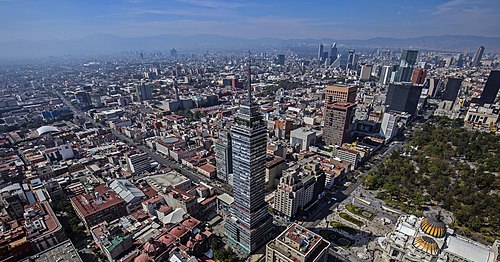
Mexico City, the capital of Mexico, is the largest city in North America and one of the most populous cities in the world, with an estimated population of over 9 million residents in the city proper and around 21 million in the metropolitan area. Founded on the ruins of the ancient Aztec city of Tenochtitlán, which was established in 1325, Mexico City has a rich historical and cultural heritage that reflects its colonial past and indigenous roots. The city sits at an altitude of approximately 2,240 meters (7,350 feet) in the Valley of Mexico, a highland basin surrounded by mountains and volcanoes. This unique geographical setting contributes to its diverse climate, which ranges from temperate at higher altitudes to semi-arid in the outskirts.
As a major political, economic, and cultural center, Mexico City is home to a variety of institutions, including the national government, major companies, and international organizations. It boasts a vibrant arts scene, with numerous museums, galleries, and theaters, including the famous Palacio de Bellas Artes, which showcases a blend of Art Nouveau and Art Deco architecture. The city's historical center, a UNESCO World Heritage site, features significant landmarks like the Metropolitan Cathedral and Templo Mayor, remnants of the Aztec civilization. Additionally, Mexico City is known for its diverse culinary scene, enriching global gastronomy with traditional Mexican dishes and contemporary cuisine. The city's extensive public transportation network, which includes the Metro system, buses, and cycling paths, facilitates movement across its sprawling urban landscape.
While facing challenges such as air pollution, urban poverty, and seismic activity due to its location near tectonic fault lines, Mexico City is undergoing efforts to enhance sustainability and address social issues. The city has invested in green spaces, eco-friendly public transport, and infrastructure improvement projects aimed at fostering urban resilience. With its rich history and ongoing development, Mexico City remains a dynamic metropolis that attracts millions of visitors each year, offering a unique fusion of tradition and modernity.
Facts about Mexico City
- Mexico City is built on the ruins of Tenochtitlan, the capital of the Aztec Empire, making it one of the oldest continuously inhabited cities in the Americas.
- The city is situated at an altitude of 2,240 meters (7,350 feet) above sea level, which makes it one of the highest capital cities in the world.
- Mexico City is home to the world’s largest urban park, Chapultepec Park, which spans over 2,000 acres and includes museums, lakes, and a zoo.
- The historic center of Mexico City, designated a UNESCO World Heritage site, boasts stunning colonial architecture and the famous Zócalo, one of the largest public squares in the world.
- The city has the largest concentration of museums in the world, with over 150 museums showcasing art, history, and culture.
- Mexico City is known for its vibrant culinary scene, including the iconic dish Tacos al Pastor, which reflects a blend of indigenous and Lebanese influences.
- The Metro system in Mexico City is one of the largest and most used in the world, serving over five million passengers daily with a vast network of lines.
- The city hosts the Day of the Dead parade, one of the largest celebrations of its kind, which features elaborate floats and cultural performances.
- Mexico City is located near one of the largest archaeological sites, Teotihuacan, famous for its ancient pyramids and the Avenue of the Dead.
- The city has experienced significant sinking due to its location on a lakebed, with some areas sinking up to 10 inches per year, posing challenges for urban infrastructure.