Miahuatlán de Porfirio Díaz, Mexico
- 23,940 people
- 8 places to visit
- 16.3318, -96.5944
Places to Visit (8)
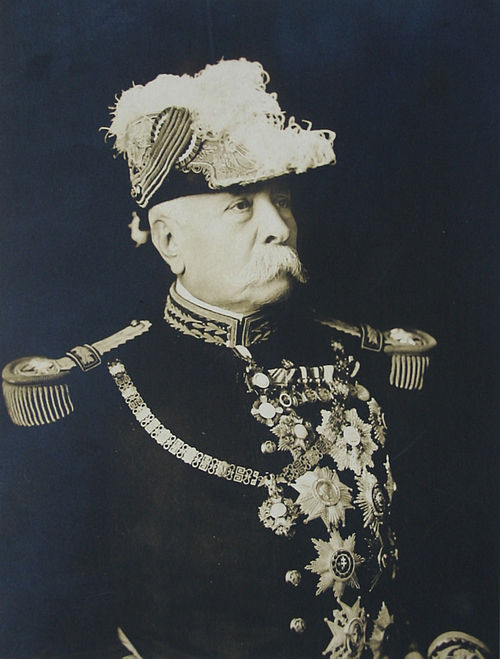
Miahuatlán de Porfirio Díaz is a municipality and town located in the southeastern region of the state of Oaxaca, Mexico. Nestled in the Sierra Madre del Sur mountain range, Miahuatlán serves as the municipal seat and is situated approximately 50 kilometers from the state capital, Oaxaca City. The town is at an elevation of around 1,400 meters above sea level, providing a cool climate that contrasts with much of the surrounding lowland areas. The name Miahuatlán derives from the Nahuatl language, meaning "place of the reeds," reflecting the region's indigenous heritage. Notably, the city was renamed in honor of former president Porfirio Díaz, a native of Oaxaca who had significant influence over Mexico’s political landscape in the late 19th and early 20th centuries.
The local economy of Miahuatlán is primarily driven by agriculture, with the cultivation of crops such as maize, beans, and various fruits being common. Additionally, the climate supports the production of coffee and sugarcane, which are vital for local livelihoods. The region’s mountainous terrain makes it suitable for the sustainable management of natural resources, and residents often engage in hunting, fishing, and gathering of edible plants. Miahuatlán is also rich in cultural heritage, with various festivals and traditions that highlight the blending of indigenous and colonial histories. The town celebrates annual religious and cultural events, such as the Festival of San Andrés in November, which attracts visitors and fosters a sense of community among its inhabitants.
Miahuatlán is well-connected through road networks facilitating access to nearby towns and cities, as well as to significant archaeological sites and natural attractions in the region. The presence of ancient ruins, including those of the Mixtec civilization, enrich the area’s cultural tapestry. Furthermore, the picturesque landscapes surrounding the town, characterized by rolling hills and dense vegetation, provide opportunities for ecotourism and outdoor activities, attracting nature enthusiasts and hikers alike. As it continues to embrace its historical roots while adapting to modern challenges, Miahuatlán de Porfirio Díaz represents a unique blend of tradition and progress within the diverse cultural mosaic of Oaxaca.
Facts about Miahuatlán de Porfirio Díaz
- Miahuatlán de Porfirio Díaz is named after a prominent Mexican general and statesman, Porfirio Díaz, who served as president of Mexico for several terms in the late 19th and early 20th centuries.
- The town is known for its rich indigenous heritage, particularly from the Zapotec and Mixe cultures, which is reflected in its local customs and traditions.
- Miahuatlán is located in the Sierra Sur region of Oaxaca, surrounded by picturesque mountains and valleys, offering stunning landscapes that distinguish it from many other Mexican towns.
- The town is famous for its production of mezcal, a traditional Mexican alcoholic beverage made from agave, which has gained international recognition.
- Historically, Miahuatlán served as a key route during the Spanish colonial era for transporting goods and resources, linking the highlands with the coast.
- The local market in Miahuatlán is a vibrant hub of activity, showcasing artisanal crafts, local agricultural products, and traditional Oaxacan cuisine, making it an essential cultural experience.
- Miahuatlán de Porfirio Díaz is known for its annual Festival of the Dead, where locals honor their ancestors through colorful altars, traditional music, and dances, contributing to its cultural richness.
- The town features the historic Iglesia de San Pedro, a beautiful colonial-era church that serves not only as a place of worship but also as a cultural landmark.
- Miahuatlán is less touristy compared to other parts of Oaxaca, allowing visitors to experience local life more authentically and interact with the community.
- The area is also known for its biodiversity, with nearby natural parks and reserves that attract nature lovers and those interested in ecotourism.