Mianzhu, Deyang, Sichuan, China
- 510,000 people
- 3 places to visit
- 31.3378, 104.2208
Places to Visit (3)
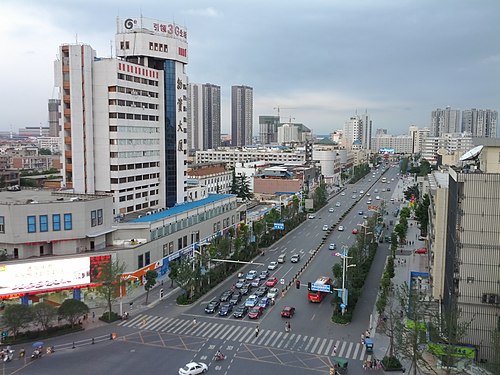
Mianzhu is a county-level city located in Deyang, Sichuan Province, China. Situated approximately 50 kilometers from Chengdu, the provincial capital, Mianzhu serves as a significant urban center in the region, known for its rich history and cultural heritage. It has a population of around 400,000 people and covers an area of about 2,600 square kilometers. The city has historically been an agricultural hub, with a strong emphasis on rice, wheat, and various kinds of fruits and vegetables. In recent years, it has seen an expansion in its industrial base, including manufacturing and textile production, contributing to the area's economic development.
Mianzhu is also recognized for its cultural landmarks and natural beauty. The city is home to several prominent historical sites, including ancient temples and traditional architecture that reflect its long-standing heritage. Noteworthy attractions include the Mianzhu Museum, which showcases artifacts and exhibits illustrating the history of the region, and the Xianghe Temple, known for its intricately designed structures. The surrounding landscape features picturesque mountains and rivers, making it a popular destination for outdoor enthusiasts and those seeking recreational activities. Moreover, Mianzhu is renowned for its local cuisine, particularly its spicy dishes, which are representative of Sichuan's famous culinary tradition.
In addition to its cultural and historical significance, Mianzhu is also recovering and rebuilding from the devastating impact of the 2008 Sichuan earthquake, which caused extensive damage to infrastructure and housing in the area. The government and local communities have worked collaboratively to restore facilities and improve living conditions. Today, Mianzhu exemplifies resilience, blending modern progress with its traditional roots, and continues to develop as an increasingly important city within the vibrant Sichuan Province.
Facts about Mianzhu, Deyang, Sichuan
- Mianzhu is known for its significant involvement in the Sichuan-Tibet Railway project, which aims to enhance connectivity between Sichuan Province and Tibet.
- The city is famous for the Mianzhu Bamboo Dance, a traditional folk dance that showcases the region's cultural heritage and is performed during festivals and celebrations.
- Mianzhu was severely affected by the 2008 Sichuan earthquake, leading to extensive rebuilding efforts that transformed the city and its infrastructure.
- The Mianzhu earthquake memorial park stands as a significant landmark, commemorating the impact of the 2008 earthquake and promoting awareness of natural disaster preparedness.
- Mianzhu is recognized for its rich agricultural products, especially its high-quality rice and vegetables, which benefit from the fertile soil and favorable climate.
- The city is home to the Mianzhu Tea House, which is considered one of the oldest tea houses in the region, offering traditional Sichuan tea culture experiences.
- Mianzhu has a unique architectural style, characterized by ancient Ming and Qing dynasty buildings, which reflect the historical significance and cultural evolution of the area.
- The city hosts the annual Mianzhu International Children's Cultural Festival, aimed at promoting cultural exchanges and highlighting children's arts and performances.
- Mianzhu is known as the 'Hometown of Chinese Astronauts', with a number of prominent astronauts hailing from the area, fostering a strong interest in space exploration.
- The Mianzhu Natural Ecological Park is a popular destination for both locals and tourists, featuring diverse flora and fauna, along with educational programs about conservation.