Mihara, Japan
- 80,387 people
- 13 places to visit
- 34.3974, 133.0788
Places to Visit (13)
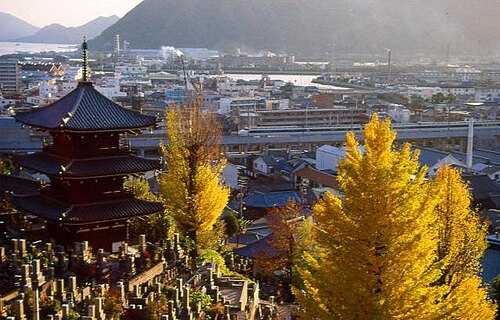
Mihara is a city located in Hiroshima Prefecture, Japan, situated on the eastern shore of the beautiful Seto Inland Sea. Established as a city in 2004 through the merger of several towns, Mihara has a population of approximately 50,000 residents. The city is renowned for its scenic landscapes, characterized by a combination of coastal views, rolling hills, and historical sites. Mihara’s economy largely relies on agriculture, fishing, and tourism, with its location providing ample opportunities for maritime activities and cultural exploration.
The city's rich history can be traced back to the Edo period, when it served as a vital port for shipping and trade. Mihara is also known for its historical landmarks, such as the remains of Mihara Castle, which dates to the late 16th century. Although largely destroyed, the castle's ruins offer a glimpse into the region's feudal past and are a popular spot for visitors. Mihara is also famous for its hot springs, with several ryokans (traditional Japanese inns) offering natural baths that attract both domestic and international tourists seeking relaxation in a picturesque setting.
Mihara's cultural scene is vibrant, marked by local festivals and events that showcase traditional music, dance, and cuisine. The city hosts the Mihara Festival, which occurs in the spring and features parades, food stalls, and performances, providing a lively atmosphere that reflects the community's spirit. Additionally, Mihara is a gateway to the Seto Inland Sea National Park, which is ideal for hiking, cycling, and enjoying the natural beauty of the archipelago. With its blend of history, culture, and natural resources, Mihara serves as a charming destination for those looking to experience the essence of rural Japan.
Facts about Mihara
- Mihara is home to the historic Mihara Castle, which dates back to the 16th century and is one of the notable landmarks of the city.
- The city is famous for its production of 'Mihara Miso,' a unique regional miso that is deeply rooted in local culinary traditions.
- Mihara hosts the Mihara Kankakei Festival, an annual event celebrating the local culture with traditional music, dance, and food.
- The city is also known for its scenic views of the Seto Inland Sea, making it a popular spot for outdoor activities and sightseeing.
- Mihara is significant in Japan's history for its role in the Japan Maritime Self-Defense Force, having a base that contributes to national security.
- The city of Mihara has a unique connection to the Japanese poet and novelist Kenji Miyazawa, who spent part of his childhood in the area.
- Mihara is one of the few places in Japan where the rare 'Kameyama' square rice bale is still traditionally made during harvest season.
- The city is recognized for its beautiful cherry blossom trees, attracting visitors during the sakura season in spring.
- Mihara's local industries also include textile production, particularly silk, which has been an essential part of the region's economy.
- Mihara's citizens celebrate the Miwa Matsuri, a vibrant annual festival that showcases traditional Shinto rituals and local folklore.