Miki, Japan
- 75,450 people
- 15 places to visit
- 34.7969, 134.9902
Places to Visit (15)
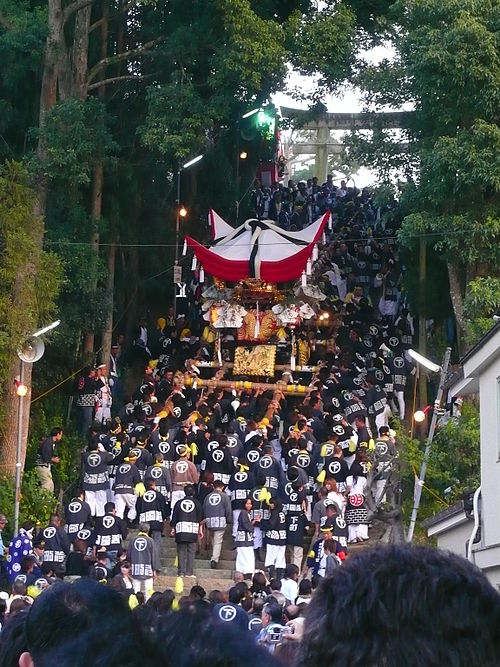
Miki is a city located in Hyōgo Prefecture, Japan, known for its rich history and scenic beauty. The city was established on April 1, 2005, through the merger of several towns and villages, including the former city of Miki and the towns of Taki, and part of the town of Yado. It is situated approximately 25 kilometers west of Kobe and 60 kilometers from Osaka, making it part of the densely populated Keihanshin metropolitan area. Miki covers an area of about 171 square kilometers and had a population of around 90,000 residents as of the latest census. The city is characterized by a combination of urban and rural landscapes, with a backdrop of the Rokko Mountains, offering picturesque views and accessibility to outdoor activities.
Miki is particularly renowned for its traditional crafts, most notably its production of "Miki-yaki" pottery, which has a history dating back to the Edo period. The city celebrates its cultural heritage through various festivals and local events that showcase its artisanal crafts and local cuisine. Miki is also home to several historical sites, including the Miki Shrine, which is dedicated to the deities of agriculture and commerce, highlighting the city's agricultural roots. The vibrant community in Miki fosters a blend of modern living and traditional practices, providing opportunities for residents and visitors alike to experience the unique cultural tapestry of the area. With its strategic location, rich history, and commitment to preserving its cultural heritage, Miki continues to be an appealing destination in Japan.
Facts about Miki
- Miki is renowned for its production of Akashi-Kaikyō noodles, a unique local delicacy that reflects the region's culinary heritage.
- The city is home to the Miki Sports Park, which hosted the 2016 National Sports Festival of Japan, highlighting its commitment to sports and community events.
- Miki features the historic Miki Castle ruins, which date back to the 16th century and provide a glimpse into the city's feudal past.
- The city is located near the famous Tatsuno Shrine, known for its beautiful architecture and seasonal festivals that attract visitors from all over Japan.
- Miki is recognized for its traditional crafts, including the production of Miki Goma (sesame seeds) and various pottery styles unique to the region.
- The annual Miki Fireworks Festival is one of the largest in the Hyōgo Prefecture, drawing large crowds and showcasing spectacular displays.
- Miki's proximity to Mount Yamabukiyama offers numerous hiking trails and natural parks, making it a popular destination for outdoor enthusiasts.
- The city has a rich history in the production of textiles, particularly Miki's cloth, which has played an important role in the local economy.
- Miki is part of the Harimanokai region, known for its picturesque landscapes and is bordered by the scenic left bank of the Kakogawa River.
- The city hosts the Miki International Music Festival, which features performances by local and international artists, promoting cultural exchange.