Milan, Italy
- 1,371,498 people
- 19 places to visit
- 45.4685, 9.1824
Places to Visit (19)
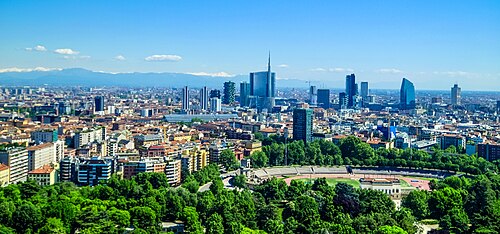
Milan, the capital of the Lombardy region in northern Italy, is a vibrant and influential city known for its rich history, culture, and economic significance. With a population of approximately 1.4 million residents, Milan is not only the second-largest city in Italy but also one of the most important financial and fashion hubs in the world. The city played a pivotal role in the development of Italian art, particularly during the Renaissance, showcasing masterpieces by renowned artists such as Leonardo da Vinci and Michelangelo. One of Milan's most iconic landmarks is the Cathedral of Milan (Duomo di Milano), a breathtaking example of Gothic architecture that took nearly six centuries to complete. Visitors are also drawn to the historic Sforza Castle, which houses several museums and art collections, as well as the world-famous La Scala opera house, known for its exceptional performances and opulent interiors.
In addition to its artistic heritage, Milan is recognized globally for its influence in fashion and design. The city hosts Milan Fashion Week, one of the most important events in the global fashion calendar, attracting designers, models, and fashion enthusiasts from all over the world. The bustling shopping district of the Galleria Vittorio Emanuele II offers a luxurious shopping experience with high-end boutiques and cafes. Milan is also a center for Italian cuisine, famous for dishes such as risotto alla Milanese and ossobuco, and boasts a dynamic culinary scene that reflects both traditional and contemporary influences. Economically, Milan is a powerhouse; it contains the Italian stock exchange and is home to many multinational companies, particularly in sectors such as banking, manufacturing, and technology. The city's modern infrastructure, including its extensive public transportation system and bustling airports, facilitates both domestic and international connectivity, further enhancing its status as a global metropolis.
Milan's combination of historical grandeur and cutting-edge innovation makes it a unique destination for both tourists and business professionals. The city's commitment to cultural events, artistic endeavors, and economic advancement positions it as not just a historical site, but also a forward-thinking city that continually shapes the future of fashion, finance, and design in Italy and beyond. The ambiance of bustling streets, lively piazzas, and a rich tapestry of cultural experiences ensures that Milan remains a city of endless discovery and opportunity.
Facts about Milan
- Milan is considered the fashion capital of the world, hosting prestigious events like Milan Fashion Week and home to luxury brands such as Gucci, Prada, and Versace.
- The city is renowned for its culinary scene, particularly for its traditional dish, Risotto alla Milanese, which features saffron, giving it a distinctive yellow color.
- Milan is home to 'The Last Supper' (Il Cenacolo), a world-famous mural painted by Leonardo da Vinci, located in the refectory of the Convent of Santa Maria delle Grazie.
- The Milan Cathedral (Duomo di Milano) is the largest Gothic cathedral in Italy and took nearly six centuries to complete, with its intricate architecture and stunning spires distinguishing it from other Italian churches.
- Milan is a global financial hub and the main industrial center of Italy, housing the Italian stock exchange and numerous multinational companies.
- The city has a rich soccer culture, being home to two of the most successful football clubs in history, AC Milan and Inter Milan, which compete in the famous Derby della Madonnina.
- Milan boasts a vibrant art scene, with renowned institutions such as the Pinacoteca di Brera and the modern art museum, Museo del Novecento, showcasing Italian art from various periods.
- The city's historic navigli canals, designed by Leonardo da Vinci, distinguish Milan from many Italian cities that lack an extensive canal system, serving as a popular area for dining and nightlife.
- Milan hosts the prestigious annual Salone del Mobile, one of the world's largest furniture and design fairs, attracting designers and exhibitors from all over the globe.
- The modern skyline of Milan is marked by the innovative Porta Nuova district, featuring stunning skyscrapers like the UniCredit Tower, symbolizing the city's rapid modernization.